The room journal
Repair or replace a swivel bar stool: identify the assembly first
A swivel stool that no longer moves as expected presents a more specific question than whether it looks old. The problem may involve the mechanism, its attachment, the seat, the frame, or the way the product meets the floor. Replacing one component without identifying the concern can leave the real issue unresolved.
Start by describing what changed and taking the stool through the manufacturer's appropriate inspection process. This article is a buying and repair-scope guide, not a set of mechanical repair instructions. Any work should follow the approved parts and procedures for the exact model, with structural concerns assessed before the stool returns to use.
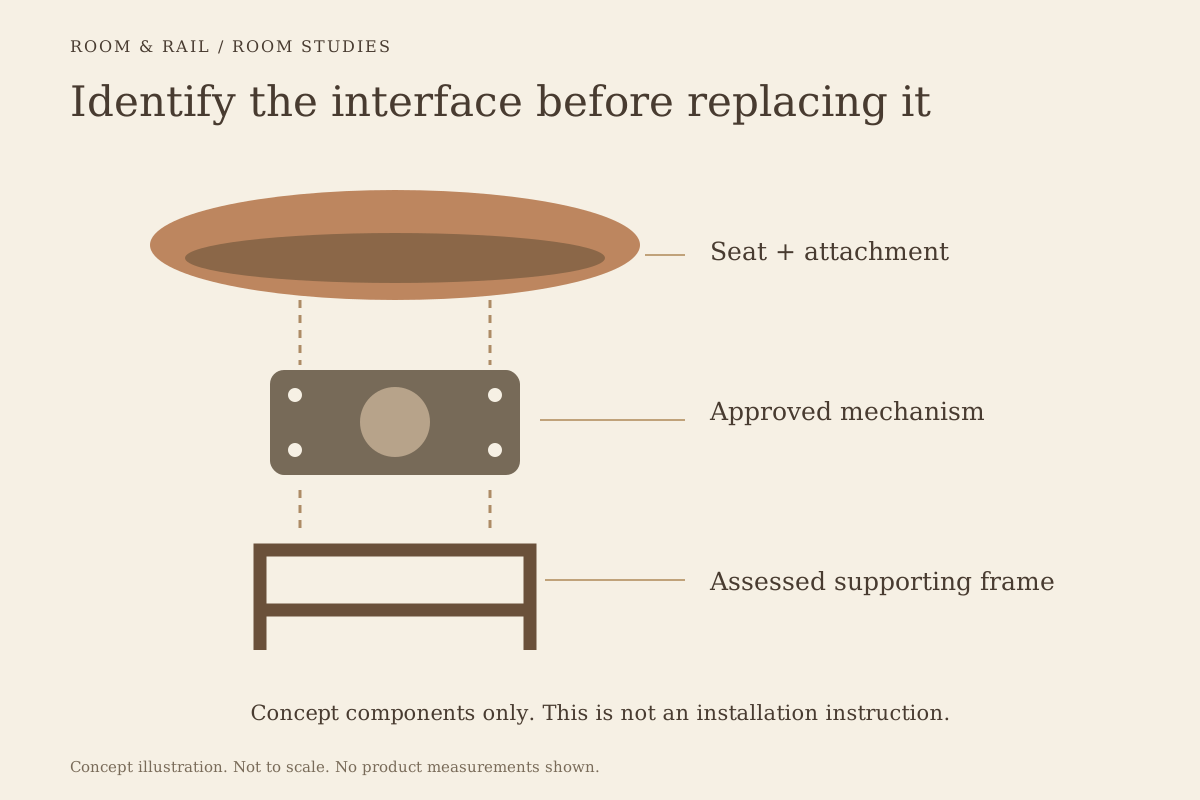
Open diagram at full size (new tab) ↗
Distinguish a changed behavior from the original mechanism
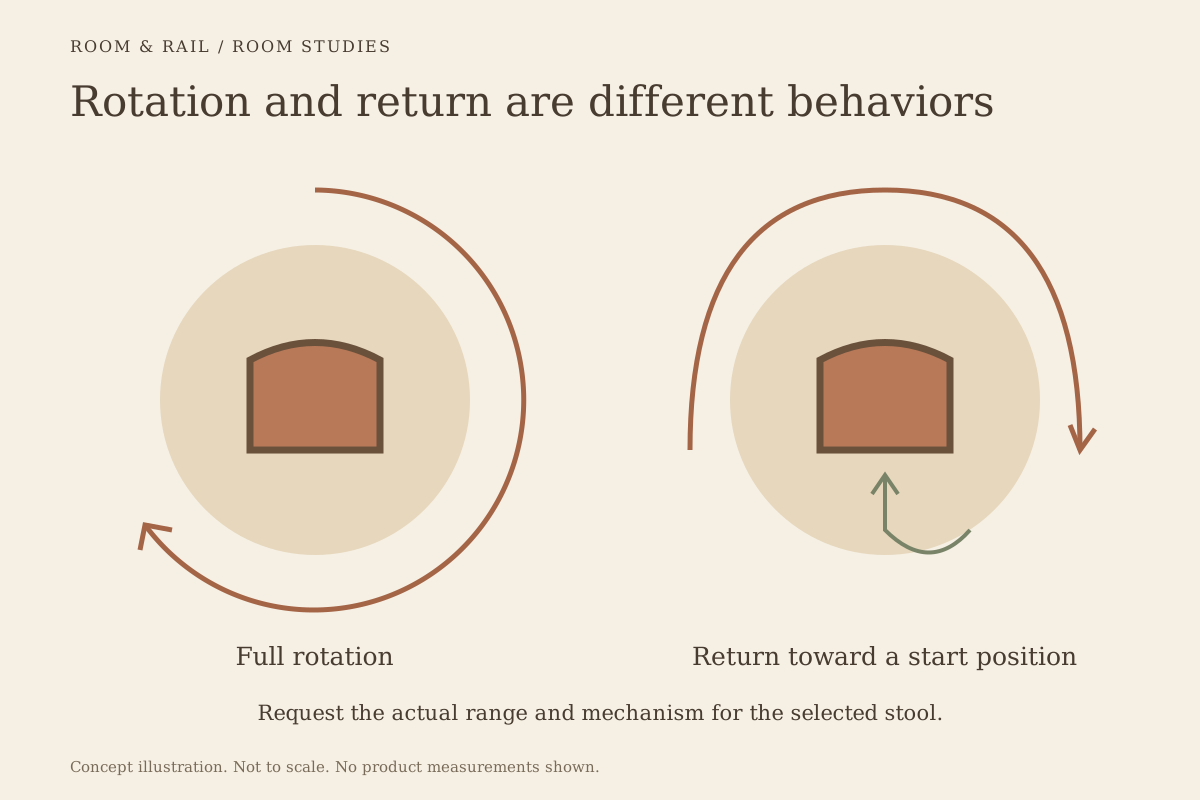
A seat that does not return to center may be faulty, or it may never have had a return mechanism. A stool that stops after part of a turn may have a limited range by design. Establish the original specification before treating either behavior as a defect.
The swivel-mechanism guide distinguishes rotation from return. Richardson Seating's published 2500-series example returns from a limited movement range, while the manufacturer also supplies full-rotation mechanisms. That distinction illustrates why the actual part identity matters; it does not establish what is fitted to a stool from another source.
For the FRU-10427-BS-SW model, the active record confirms a swivel seat but does not specify its return behavior. If a restaurant owns that model, the missing detail should be resolved from its original order and supplier documentation rather than guessed from another stool's movement.
Describe the concern without forcing a diagnosis
Useful observations include where movement is felt, when a noise occurs, whether the seat appears uneven, and whether a visible fastener or component has changed. Keep the description tied to one identified stool. A broad note saying the bar stools are loose can hide several different conditions.
Do not force a stiff mechanism, add lubricant without instructions, or use the stool to demonstrate a suspected failure. Those actions can change its condition and may not be appropriate for the assembly. Follow the applicable guidance for taking the item out of service and arranging inspection.
The wear-review guide separates cosmetic marks from component and structural concerns. A worn vinyl edge can coexist with a mechanism issue, but the two need different scopes of work. Renewing upholstery should not make an unresolved movement problem disappear from the record.
Identify the mounting relationship
A replacement swivel has to fit the seat and the supporting frame, not merely occupy a similar square or circular area. Mounting pattern, pitch, orientation, and the approved hardware can matter. Obtain the model-specific part reference and instructions rather than selecting by a rough external measurement.
Richardson Seating's replacement information distinguishes flat and pitched swivel versions for particular seat constructions and advises checking compatibility for other manufacturers. That is a concrete example of why apparently similar plates can have different roles. It is not permission to fit either version to our catalog models.
The replacement-seat guide makes a related distinction between the seat shape and its attachment. If both the seat and mechanism are being renewed, confirm the complete approved combination. Compatibility should not be assembled from two unrelated assumptions.
Assess the surrounding frame before pricing the part
A new mechanism needs an appropriate structure to attach to. Damage or looseness in the frame or seat support can change the repair decision. The person performing the assessment should identify whether the proposed work addresses the actual concern and whether other work is required.
The wood-and-metal stool article explains why frame material alone cannot settle that assessment. A wood stool and a metal stool have different assemblies, but neither should be declared repairable merely because its visible finish remains attractive.
The footrest also belongs in the condition review. The footrest article separates a surface mark from a loose or damaged support. An owner may choose to renew several components at once, but the approved scope should name each one rather than calling the work a general tune-up.
Build a repair price from the full scope
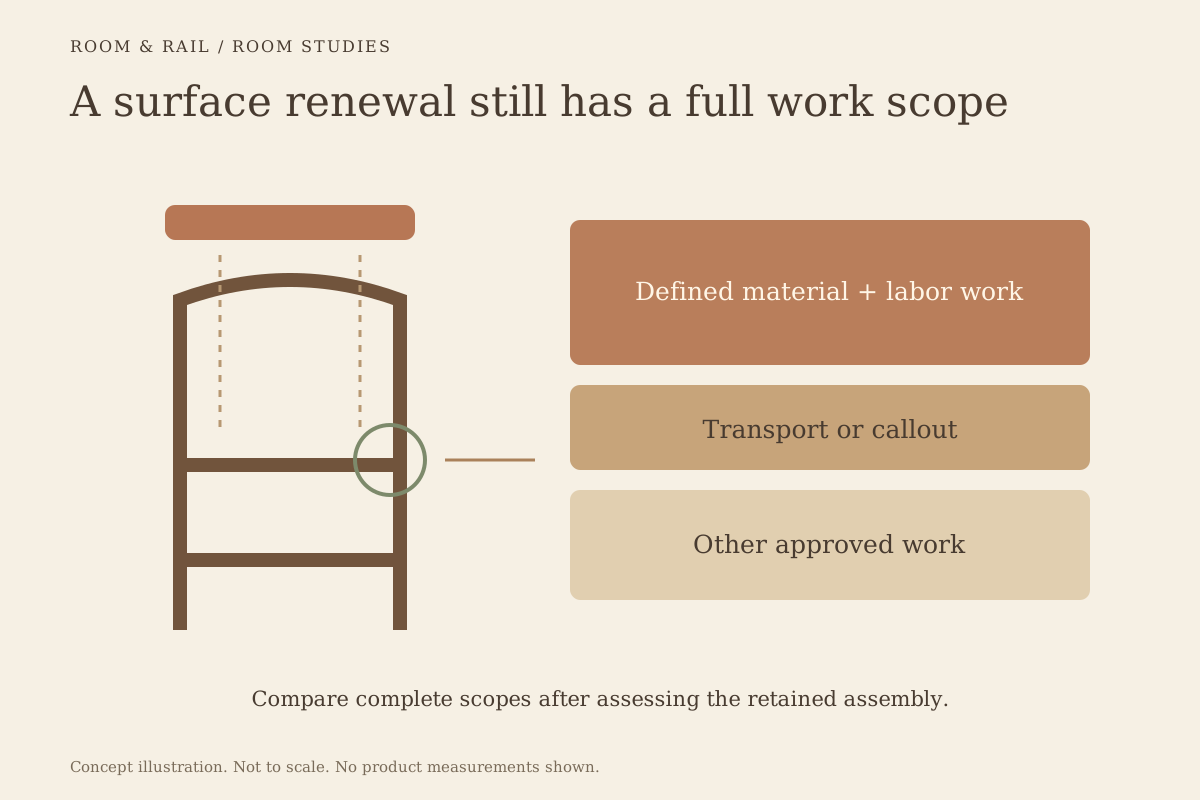
Ask for the approved part, hardware, labor, any transport or callout charge, and the expected service interruption. If the work applies to a group of stools, identify which units need which parts. Buying a mechanism for every stool because one failed may be unnecessary unless the manufacturer advises it.
Compare that scope with a current configured replacement stool, including applicable charges and the selected seat and finish. The buying guide keeps starting prices separate from complete order costs. A low base price should not be compared with an all-inclusive repair estimate as though the scopes match.
Use the repair decision to expose uncertainty. If a compatible part cannot be identified, the estimate is incomplete. If the frame assessment is pending, a component price does not yet establish an acceptable repair. A clear unresolved question is more useful than a precise-looking total built on missing information.
Consider continuity across the bar row
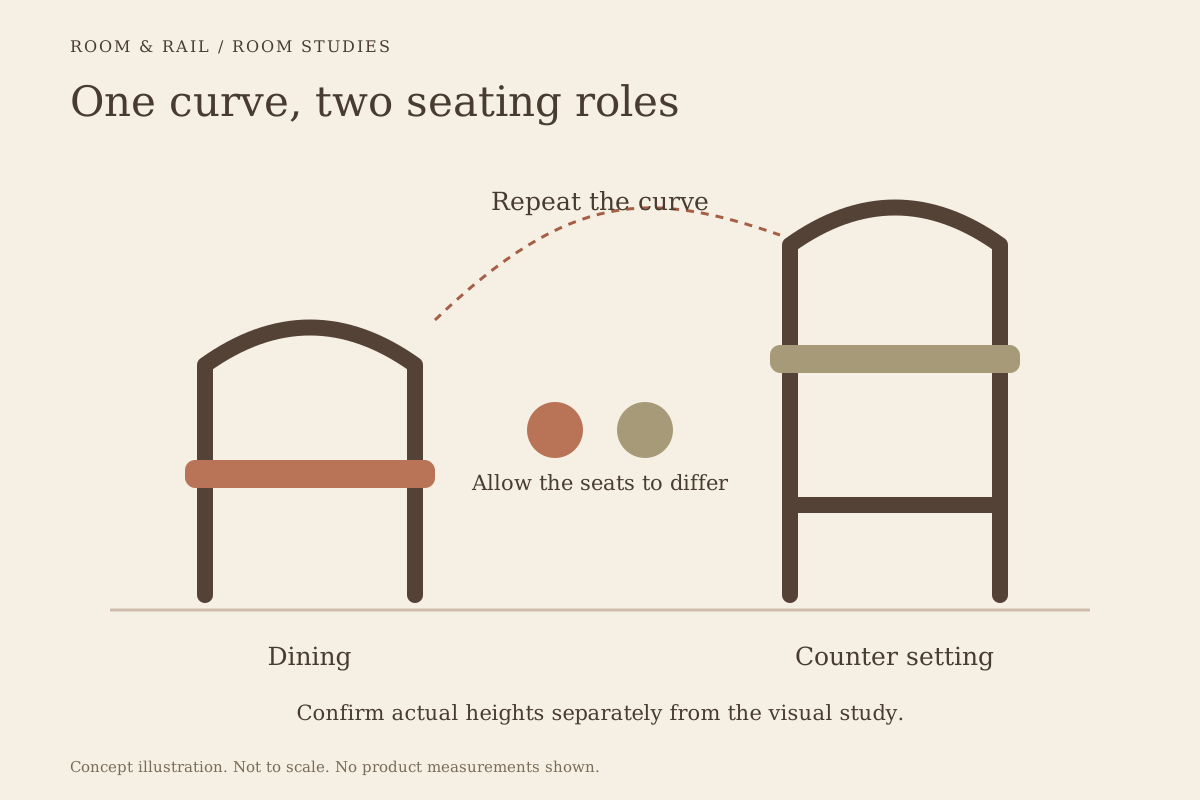
A replacement stool may differ from the original in seat shape, back height, finish, or mechanism behavior. Even a small change can become visible in a repeated row. Compare the current product with the retained order record instead of assuming a familiar model name means every detail is unchanged.
The finish-sample guide helps compare the new reference with the existing furniture. A new upholstery batch can have a different visual relationship to a used row, and a new frame finish may need its own sample review. Do not promise an exact aged match without evidence.
If the original model is no longer available, a deliberate grouped replacement may look more coherent than scattering near-matches. The chair-and-stool palette article offers ways to carry a shared tone or shape through a change without disguising it as identical furniture.
Check the completed work against the approved scope
After authorized service, retain the part reference, date, work performed, and the instructions that apply. The responsible person should review the finished assembly through the prescribed procedure. A receipt for a new swivel is not, on its own, an assessment of the entire stool.
For a bolt-down arrangement, coordinate any removal and reinstatement with the installation requirements. A mechanism repair should not accidentally become an unreviewed change to the floor mounting or base position. Keep those responsibilities explicit in the work order.
Update the finish board if the selected seat or other visible component changes, while keeping the maintenance history in its own record. The visual project and the service record answer different questions and should point to the same identified product.
Repair the identified problem, then preserve the decision
A worthwhile repair has an approved part, a suitable supporting assembly, a clear cost, and a procedure that addresses the actual concern. Where one of those is missing, the decision needs more information or a different scope. The age of the stool alone does not settle the answer.
Keeping the mechanism question precise can prevent both unnecessary replacement and incomplete repair. The result should be furniture whose condition and configuration are understood, not a row that merely looks refreshed. That is the useful basis for deciding whether the frame remains worth keeping.