The room journal
Buying restaurant furniture from room brief to receiving review
Buying restaurant furniture involves turning a room idea into an agreed set of products, configurations, and receiving arrangements. The design board is a useful beginning, but the order needs more precise information. Each line should explain what is being selected, how many units are required, and which questions remain unresolved.
Work through the buying process in stages that preserve those decisions. It is easier to correct a missing base or an unclear finish before the final review than after several people have worked from different versions. The goal is a selection that can be understood without recreating the design conversation.

Open diagram at full size (new tab) ↗
Set the scope before comparing totals
List the areas included in the current purchase and identify any later phases. A main dining room, bar, and patio may belong to one project while requiring separate decisions. Keep existing furniture that will remain distinguishable from new pieces being ordered.
Use the venue brief to describe how those areas operate. Then connect the selected furniture to the current measured plan through the layout-to-schedule workflow. A purchasing total should not silently include a room whose arrangement is still provisional.
Define who will approve product choices, material references, and commercial terms. These may be different people. A design approval does not necessarily authorize an expenditure, and a quantity approval does not settle a finish that is still being compared.
Identify the exact product configuration
Open the individual product page rather than relying on a category card. Select the offered size, frame finish, seat type, and other relevant options. The displayed starting price can change when those selections are completed, so retain the configured amount with the actual version.
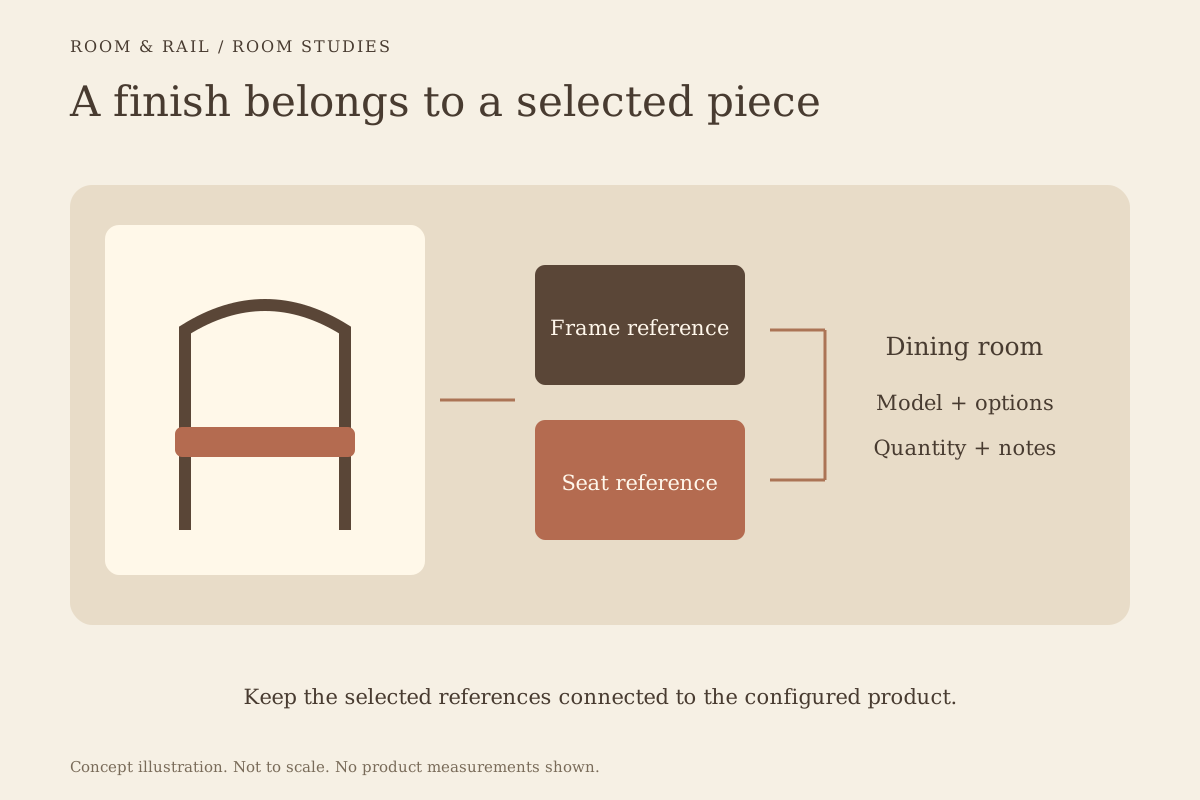
The chair selection guide shows why one model can represent several seat forms. A note requesting another fabric does not change an option already selected in the controls. Use separate configured lines where different finishes or sizes are required.
For tables, follow the complete-system check. Confirm whether the base and top are included together or need separate lines. Read the selling unit as well, particularly where a product is offered as a set rather than an individual piece.
Keep the budget wider than the furniture subtotal
Build the furniture subtotal from selected configurations and quantities. Keep shipping, tax, installation or assembly arrangements, and any separately purchased components as distinct items requiring confirmation. A product total alone does not establish the final delivered project cost.
Avoid adding an unexplained general allowance and treating it as an agreed charge. Describe what each allowance is intended to cover and replace it with confirmed information as the project develops. If a cost is unknown, its status should remain visible to the person approving the purchase.
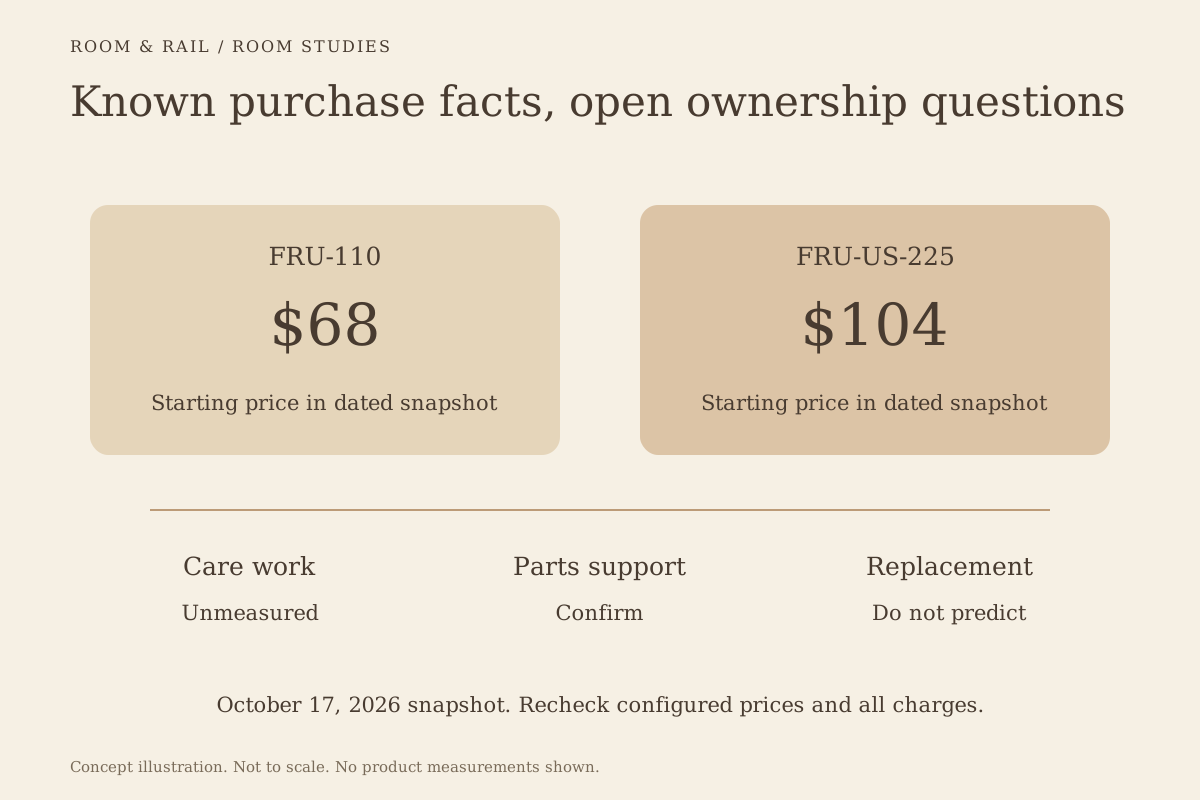
The chair ownership comparison explains how later care and replacement questions differ from the initial purchase. Use known information and explicit assumptions. Do not justify a more expensive item with an invented lifespan or a promised saving that has not been established.
Resolve material and fit questions deliberately
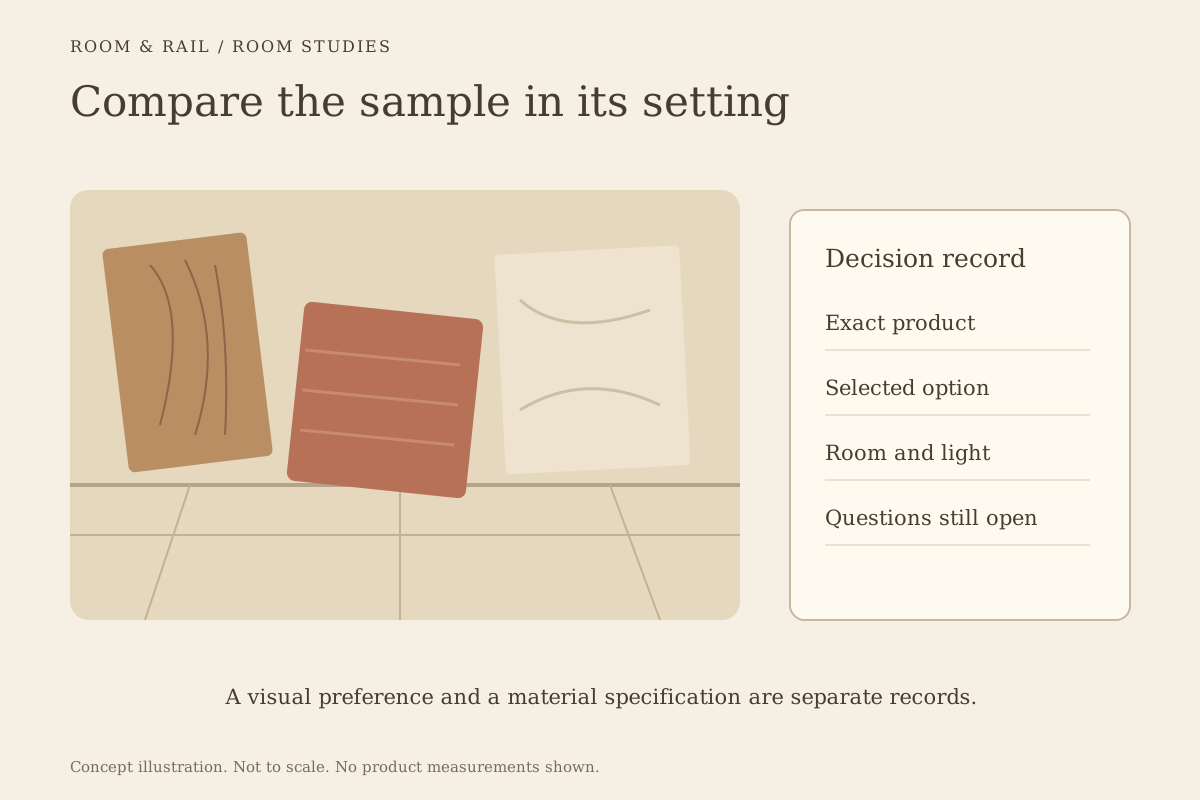
Review the selected finishes against the room through physical sample comparisons where needed. Keep the exact product and option identifiers with the decision. A similar color name from another model is not evidence that the chosen finishes are identical.
Confirm dimensions that affect table pairing, access, or placement. Overall measurements may not include the seat, arm, or underside detail needed for the actual question. Record a missing dimension as an open item rather than estimating it from a photograph.
For outdoor selections, retain the stated use and exposure questions. For booths, confirm the selected unit type and the table arrangement. These checks should follow the chosen configuration, because changing that version can change what must be reviewed.
Prepare the destination before discussing timing
Record the receiving address, contact, access route, and any restrictions. Packaged dimensions and delivered assembly form can differ from the product's listed overall size. Ask about the information that affects stairs, elevators, gates, or limited receiving hours.
Read the delivery planning guide when preparing these questions. Confirm the scope of unloading, assembly, placement, and packaging removal rather than assuming they are included. A requested arrival date remains a request until the actual fulfillment arrangement has been confirmed.
Keep the project's wider opening schedule separate from an unconfirmed delivery estimate. Identify which furniture decisions depend on other site work and who will communicate changes. A clear receiving brief supports that conversation without pretending to guarantee the timing.
Review one saved version before sending
Use the finish board to save the selected room groups and download a current project sheet. Resolve unsaved edits first. An older download remains a record of an earlier version, even if its filename looks similar to the latest one.
Review current prices and options before moving the saved selection to the basket. Compare model numbers, selling units, quantities, and selected finishes against the intended schedule. Any changed option should be understood before the updated selection is accepted.
Read how ordering works before sending the basket. This site's ordering process transmits the selection by email and does not collect an online payment. Final business and fulfillment details must be confirmed; the preview's placeholder terms should not be mistaken for completed operating policies.
Retain the approved information after the order
Keep the submitted configuration, correspondence, and confirmed terms together. If something changes afterward, identify the affected model, option, room, and quantity. Editing a saved board does not automatically amend an order that has already been sent.
At receiving, follow the agreed inspection and reporting process and retain the relevant records. Do not invent a deadline or damage policy from general advice. The actual terms should explain the steps, evidence, and contact route that apply to the purchase.
Leave a useful starting point for later changes
Retain the final product and finish references for maintenance, replacement, or an additional room. Ask about parts or replacement availability where it matters, without assuming an identical item will always remain available. The original board can help explain the design relationship if a future alternative is needed.
A careful buying process preserves the room idea while making the practical decisions explicit. It connects a specific configuration to its quantity, cost review, and destination. That record remains useful after the selection leaves the screen, because it shows what was agreed and what still needs an answer.