Materials & finishes
A material palette with a clear reference.
A room can hold contrast without losing its rhythm. Begin with the surfaces that occupy the most visual space, then compare the smaller details around them. A table finish and chair frame deserve a look together before either is repeated throughout the dining area.
Distinguish the piece from the sample
The main photograph shows a representative furniture configuration. Verified swatch images refer to individual options. A selected sample does not digitally repaint the furniture, and similar-looking samples from different products do not prove identical material or color.
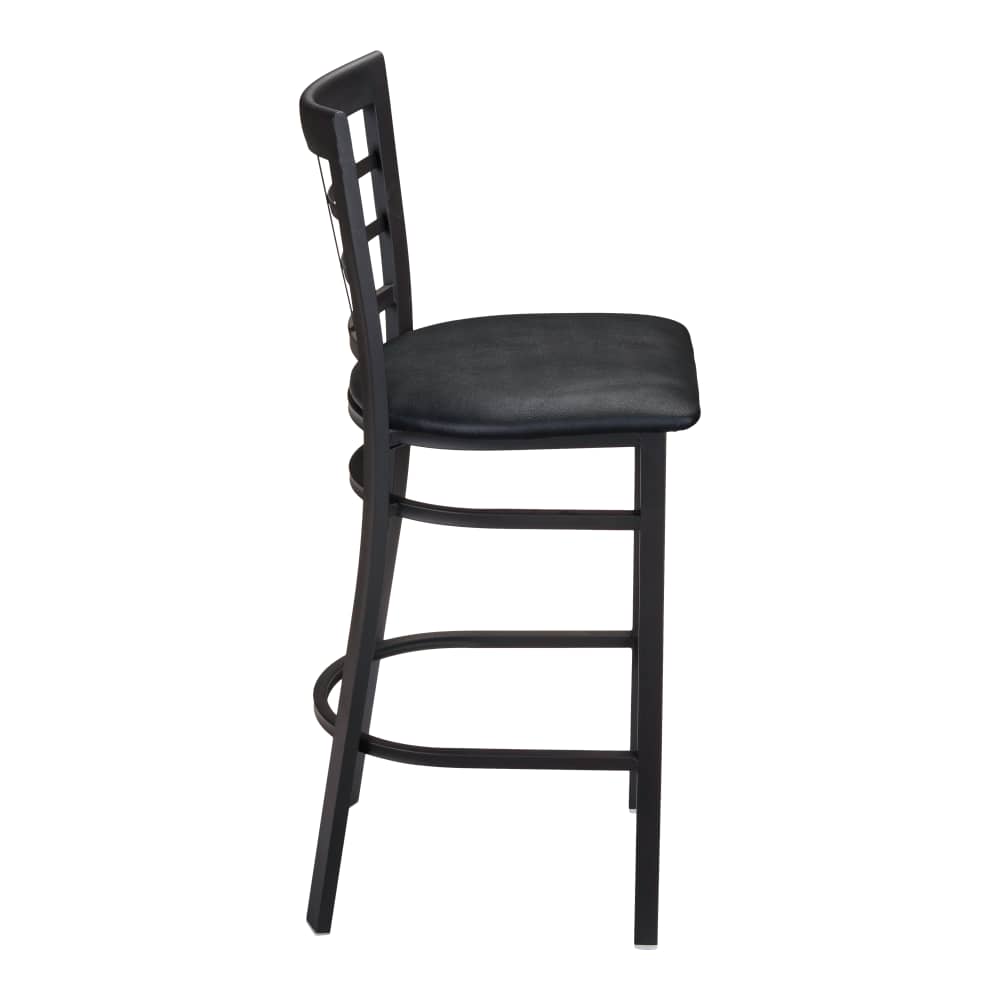
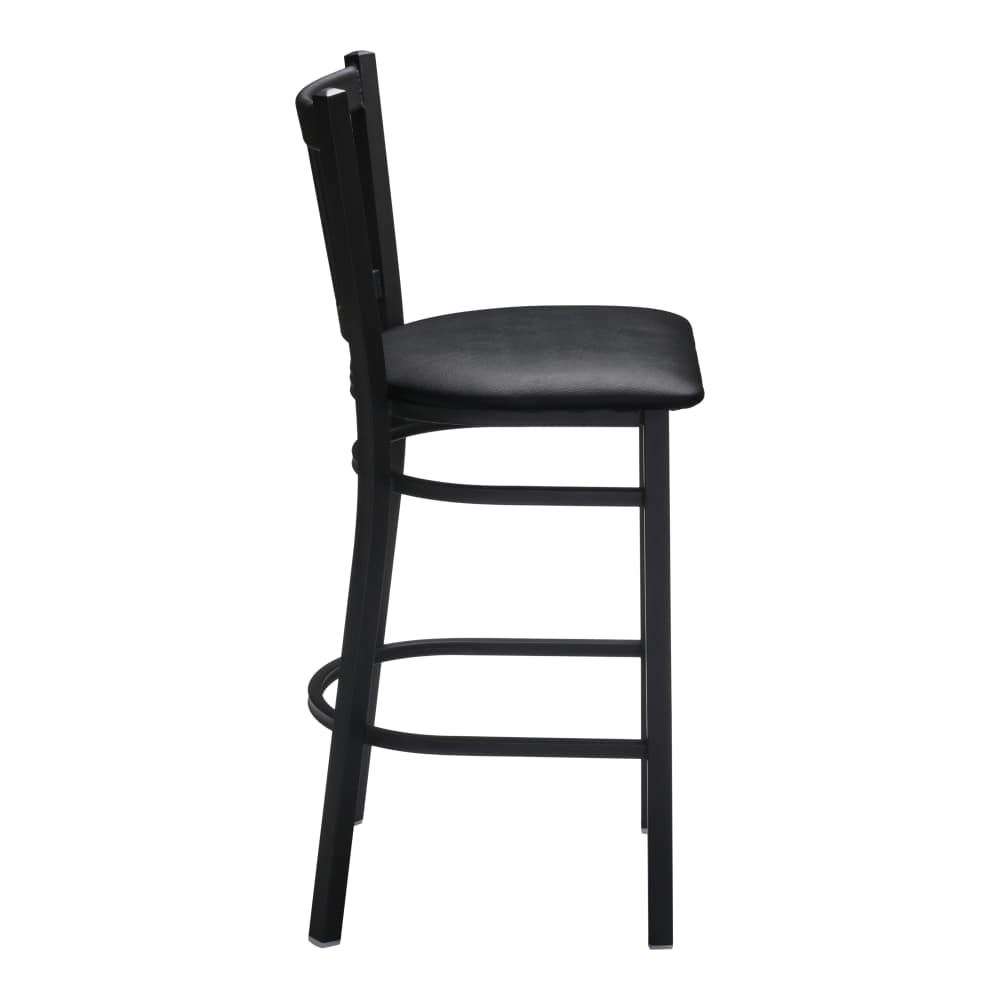
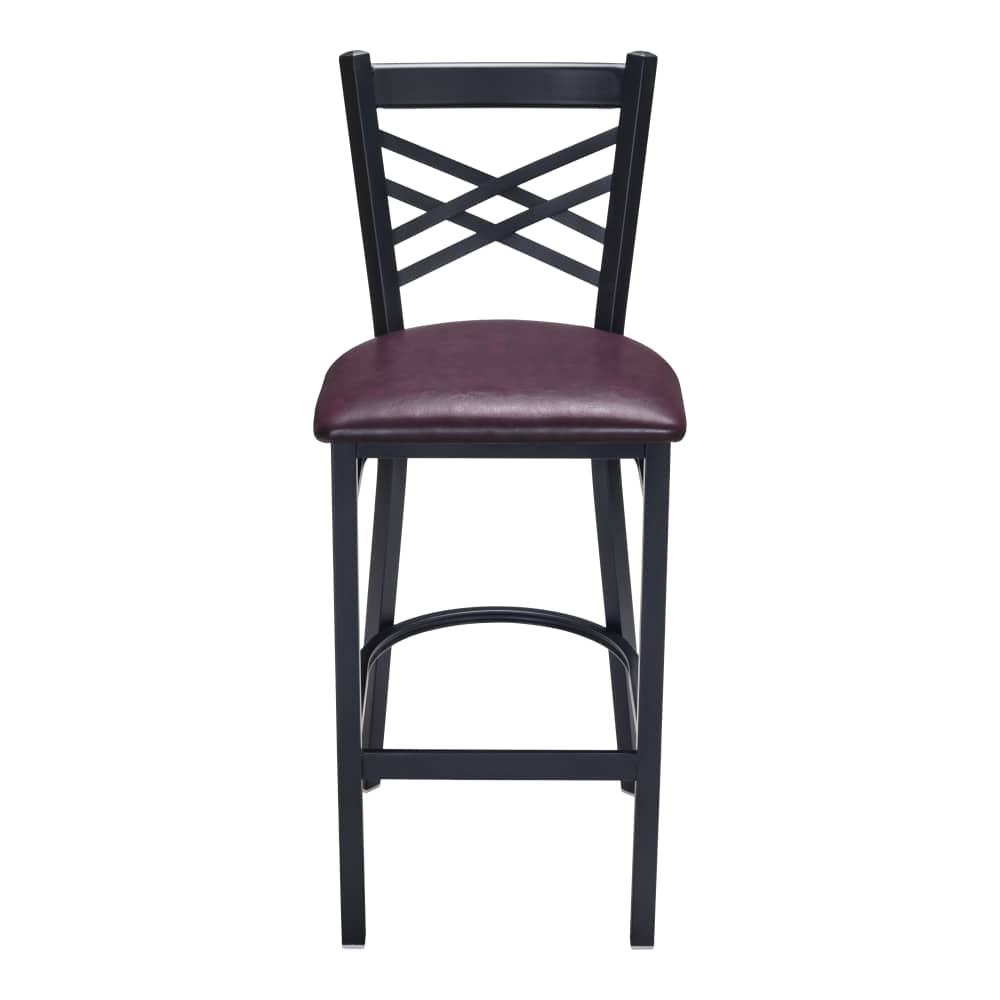
Keep a board by room
Collect table tops, chairs, and booths in a finish board. Name the rooms and keep different configurations on separate lines. Saved thumbnails and labels help you return to the intended choices.
Look beyond the screen
Display settings, photography, and lighting affect appearance. Confirm material samples and care requirements for the exact product before a purchase. For outdoor areas, read the product's stated use instead of relying on the way a finish looks.
Read texture as well as color
A finish board can begin with a shared color and still feel varied because the surfaces are different. A woven seat, a smooth tabletop and an upholstered back each contribute a different visual texture. Compare the listed materials and the actual product references before treating them as interchangeable.
Look through chairs, bar stools and table tops with those relationships in mind. Check the material description for each model. A teak-like appearance, for example, should not be assumed to identify solid teak unless the specification says so.
Save the reference that belongs to the choice
Complete the available controls on the product page. Verified finish images are tied to specific options, so a saved selection can carry the appropriate reference into your finish board, basket and project sheet. When no verified sample exists, retain the selected label and ask for the missing reference.
Keep two finishes as two configured lines. This makes the board useful to someone who needs to read quantities, not just understand the general palette.
Bring the material back to the setting
Read the stated indoor or outdoor use for the exact product, including covered patio restrictions. A visual style alone does not establish where a piece can be placed. Confirm care instructions for the actual finish and material rather than applying a generic cleaning method.
When a physical match matters, ask for confirmation before the board becomes an order. Keep that question with the relevant room in your planning notes.