The room journal
Restaurant chair wear: when a mark becomes a replacement question
Restaurant chair wear is easier to act on when the observation identifies a particular part and a particular change. A scratched finish, loose seat, split component, and missing glide are different conditions. Treating them all as old chairs can lead to an unnecessary replacement in one case or an inadequate response in another.
Use a condition review to decide what needs attention, then follow the applicable manufacturer or qualified service guidance. The process should not assign a universal lifespan to the furniture. The age of the order is useful background, but it does not establish the condition of every chair in the room.

Open diagram at full size (new tab) ↗
Separate appearance from structural questions
A change in color or a surface mark may affect the room's presentation without explaining the chair's structural condition. Conversely, movement at a joint or a damaged frame member may raise a concern even when the upholstery still looks fresh. Describe what is visible rather than diagnosing the cause from a quick glance.
If a chair appears damaged, unstable, or otherwise questionable, remove it from normal use pending the appropriate assessment. Do not keep it in service while conducting informal load tests. The capacity guide explains why an original rating does not establish the condition of a changed item.
Retain the exact model and location. A note saying dining chairs need work does not identify which pieces require assessment or what was observed. Photographs and a specific description make the next conversation more useful without pretending to be an expert diagnosis.
Inspect by component rather than by impression
Follow the product's inspection instructions for the frame, seat attachment, back, and floor-contact components. Where instructions are missing, request them. Do not dismantle or tighten unfamiliar parts merely because they appear accessible; the approved procedure may depend on the construction.
Use a simple component map to distinguish the areas. A seat surface problem belongs in a different part of the record from a frame-joint concern. If both are present, preserve both observations rather than allowing the more visible cosmetic issue to dominate the decision.
The wood-frame construction guide explains how joinery, reinforcement, and seat attachment describe different parts of a chair. A visible bracket does not make every joint equivalent, and a finish mark does not reveal what is happening inside a connection.
Review glides and the floor together
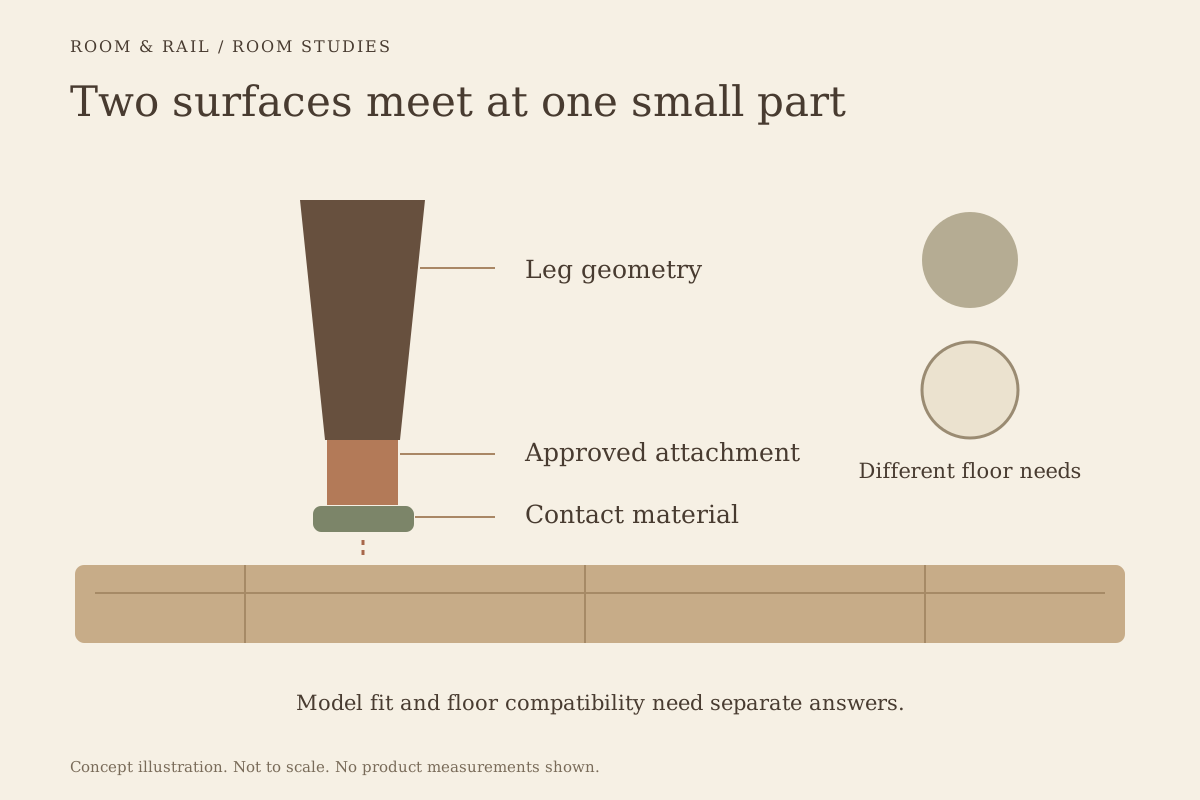
A missing or worn contact component can affect how the chair meets the floor. Identify the fitted part and the surface beneath it before choosing a replacement. A generic pad that seems close in size should not automatically become the approved part for the model.
The chair-glide guide separates attachment fit, contact material, and floor compatibility. Keep the observation specific: which leg, what condition, and which floor area. If the chair still behaves unexpectedly after an approved part change, the original issue may require a broader assessment.
Record the floor condition too. A mark may have several possible causes, and an informal review should not assign responsibility without evidence. Follow the flooring and furniture guidance rather than applying a treatment based only on the appearance of the mark.
Distinguish upholstery wear from frame replacement
The seat or back surface may prompt attention before the rest of the chair does. Ask whether the exact model has an approved replacement or service route. Several upholstery options on a new-product page do not prove that an owner can replace the old material in place.
The replacement-seat guide compares a seat-only project with buying a new chair. Frame condition, compatibility, labor, and the finished appearance all belong in that decision. A new seat should not be used to hide an unresolved problem underneath it.
Read the upholstery guidance for care and material questions. If cleaning has changed the surface, obtain the appropriate assessment before applying another chemical or treatment. A trial-and-error cleaning sequence can make the original condition harder to understand.
Look for patterns across the inventory
Once individual observations are recorded, compare them by model, configuration, and location. A repeated issue in one area may suggest a question about the operating conditions or care routine. It does not automatically prove a manufacturing defect or establish a universal failure mechanism.
The layout schedule can help connect each chair to its zone. Note whether the observed pieces share a particular floor, movement route, or storage arrangement. Keep those as documented circumstances for the reviewer, not as conclusions about cause.
If the furniture moves daily, consult the handling guide. The way pieces are carried, slid, or stored belongs in the discussion. Any change to the routine should follow the relevant product and workplace guidance.
Compare the available responses by scope
An approved glide replacement, a seat refurbishment, and a new chair are different projects. Identify which response addresses the actual assessed condition. Compare the required parts and work without assuming that the smallest intervention is always sufficient or that replacement is always necessary.
The ownership comparison helps separate known costs from unknown future events. Use current configured prices and confirmed service information. Do not invent another five years of use to make a repair appear cheaper on paper.
Keep the visual result in the review. A new upholstery surface or replacement model may differ from the remaining furniture. The mixed-chair guide can help turn an unavoidable change into a deliberate room decision rather than an accidental assortment.
Preserve the approval and the completed action
Retain the relevant instructions or service confirmation with the specific item record. After the approved action, document what changed and who completed the work. Follow the required checks before the piece returns to normal use; do not treat a completed cosmetic step as a blanket clearance.
Update the saved furniture selection if the model or finish changes. The buying guide explains how a later order should identify the affected configuration. Keep maintenance history separate from the original design board so both remain understandable.
Let condition guide the next decision
A useful wear review ends with a clear status for each affected item: awaiting assessment, approved for a specific action, or replaced through an agreed process. It should not end with a vague age-based judgment about the whole room.
That approach preserves the distinction between appearance, component service, and structural concerns. It also gives the next review a documented starting point. The restaurant can respond to the actual furniture in front of it rather than relying on a lifespan promise that no one has verified.