The room journal
Restaurant chair glides: match the contact point to the floor
Restaurant chair glides are small components with a direct relationship to the floor. Their condition and fit matter every time a chair moves. Choosing them by appearance alone can miss the leg shape, attachment, floor surface, and use conditions that the replacement needs to suit.
Treat the glide as part of the selected chair rather than a universal accessory. Start with the exact model and the floor where it operates. A useful review can identify a worn part or an unanswered compatibility question without promising that one change will eliminate noise or prevent every floor mark.
Open diagram at full size (new tab) ↗
Identify what is fitted to the chair
Record the chair model and photograph the existing foot from the side and underside while following safe handling instructions. Note whether the component is missing, visibly worn, or different from those on the other legs. Do not assume the remaining piece is original merely because it fits.
Use the chair selection guide to retain the product identity with the wider specification. If the chair came from an older order, locate the original record before choosing a part. A similar leg profile in the current catalog is not proof of interchangeability.
Ask the supplier for the approved glide or replacement procedure for that exact model. Attachment type, size, and leg angle can differ. Avoid drilling, adding fasteners, or forcing an oversized insert into a frame without the applicable instructions.
Describe the actual floor surface
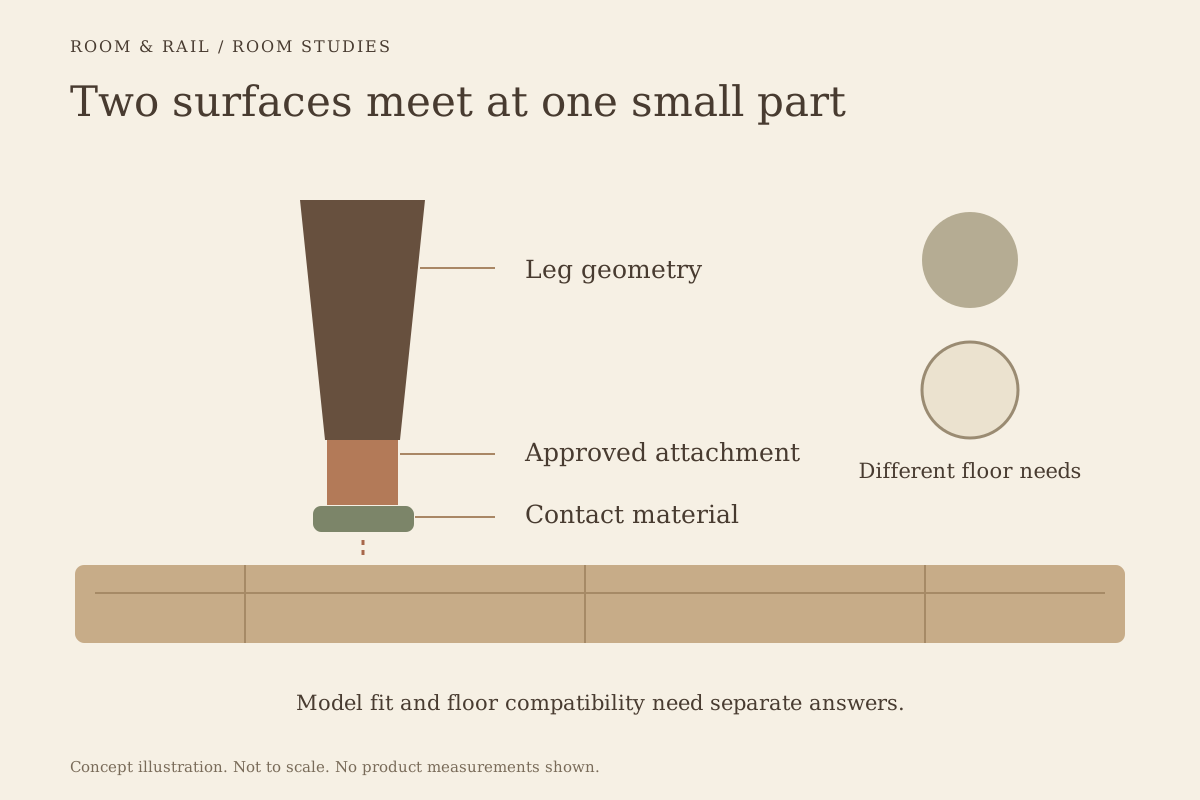
Identify the installed flooring and its finish, then ask the flooring supplier which contact materials are appropriate. A broad label such as hard floor can include several different surfaces. The chair manufacturer and floor supplier may each hold part of the compatibility information.
Manufacturers can offer different glide versions for different floors and uses. Emeco, for example, separates hard-floor, carpet, and other glide choices within particular product families and distinguishes model fit. That illustrates why a generic material recommendation should not replace the exact chair-and-floor pairing.
Within that manufacturer's Navy-family range, the hard-floor version uses felt inserts and is listed for indoor use, while its carpet version uses hard polycarbonate. The same range also distinguishes chair-and-bar-stool fit from counter-stool fit. These are specific examples of how surface contact and attachment geometry can require separate choices, not substitute parts for the chairs on this site.
The materials notes help keep visual descriptions separate from actual construction. A floor that resembles timber may have another surface material, just as a wood-look chair may have a metal frame. Record what the products are, not only what they look like.
Separate a scraping observation from a noise claim
If movement produces an unwanted sound, describe when and where it happens. Identify the chair, floor area, direction of movement, and whether the glide is intact. A sound noticed during one service period does not establish that the glide is the only cause.
Compare like conditions if the supplier approves a replacement. Keep the same chair and floor position in the review and record the change made. Without a controlled acoustic measurement, report the observation plainly rather than inventing a decibel reduction.
Read the ownership comparison when documenting maintenance questions in your project record. Do not turn an unmeasured noise preference into a promised operating benefit or a precise financial saving. The useful result is a traceable change and a clear record of what was observed.
Inspect the surrounding condition
Look for debris on the contact surface and visible floor damage, following the relevant cleaning instructions. A new glide placed over an unresolved issue may not answer the original complaint. Record what was found before replacing parts so the review does not lose its starting point.
Check whether all legs have the intended components. Mixed replacements may differ in height or behavior even when their colors match. Ask the manufacturer whether components should be replaced together and which set or individual parts are appropriate.
If the chair itself is loose, damaged, or unstable, follow the proper inspection process. The wear review separates condition assessment from a cosmetic update. A glide change should not be used to conceal a structural concern or substitute for an approved repair.
Review daily movement and cleaning
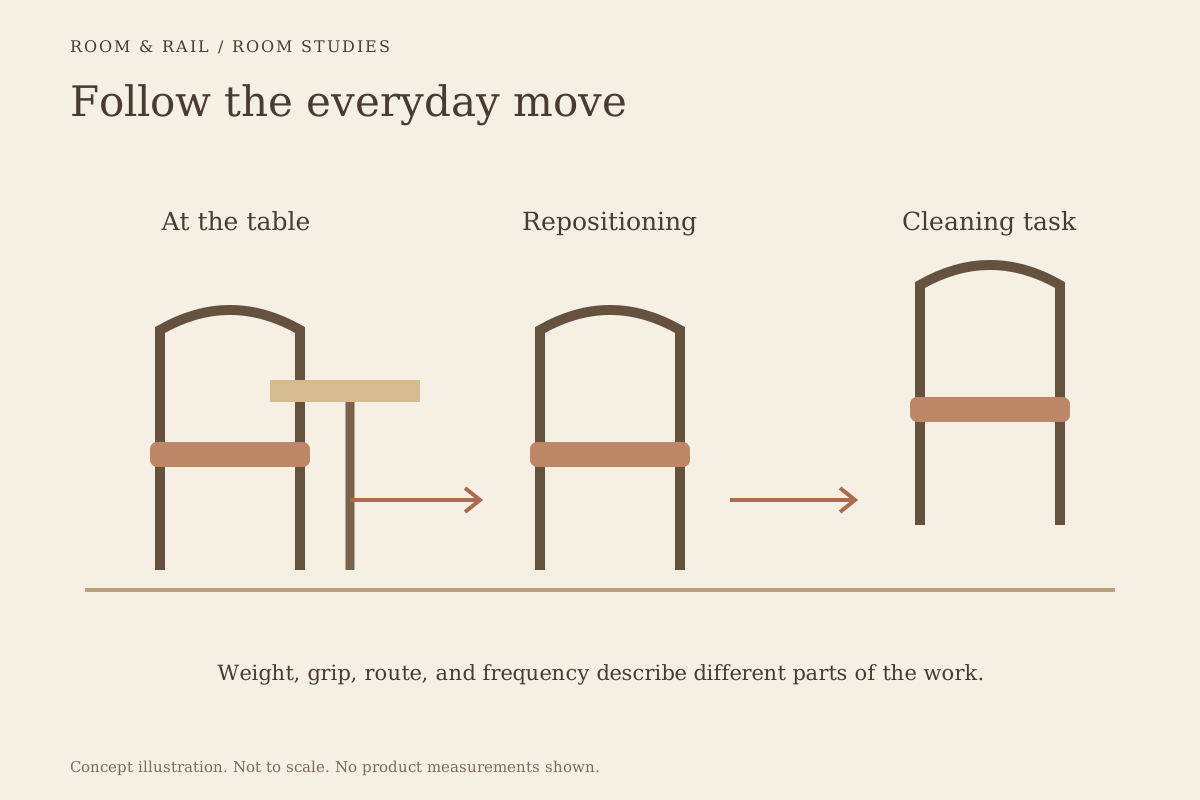
Observe the ordinary task around the chair: pulling it out, returning it to the table, and moving it for cleaning. Do not create an exaggerated test that the furniture was not intended to withstand. The point is to identify the actual movement the contact component supports.
The lightweight-chair handling guide considers this daily task from the furniture side. A glide decision also needs the flooring perspective. Easier movement is not automatically better in every position, so obtain the appropriate recommendation for the setting.
Keep cleaning products compatible with both the glide and the floor. Do not transfer a solvent or treatment from another material because it appears to remove a mark. Follow the relevant instructions and seek clarification where the two sets of guidance differ.
Keep indoor and exterior uses distinct
Some glide materials or assemblies may be limited to particular environments. Confirm the permitted use of the exact replacement, especially where chairs move between interior and patio areas. A suitable floor contact inside does not automatically establish suitability outdoors.
Use the outdoor selection guide to retain the product's stated use and exposure questions. The indoor-outdoor palette guide addresses a visual relationship, but a matching appearance does not make the components interchangeable.
If the restaurant uses a model in more than one area, identify the relevant configurations in the maintenance record. Avoid moving chairs between those areas without checking whether their fitted components remain appropriate for the destination floor and conditions.
Order a traceable part rather than an approximate match
Retain the approved part reference, applicable model, and instructions with the purchasing record. The buying guide explains why a specific item and quantity make a clearer instruction than a general request for chair feet.
If a replacement seat or another component is being considered at the same time, keep the decisions separate. A chair can require several different questions to be answered. Approval of one part does not establish approval of the entire refurbishment.
Keep the contact point in the maintenance routine
After an approved change, retain the date and the observation that prompted it. Follow the inspection interval or condition-based guidance supplied for the product rather than inventing a universal replacement schedule. The saved furniture record can help identify the model and finish while the maintenance log records the fitted part.
A small component deserves a precise decision because it meets both the chair and the floor. Matching the correct part, reviewing its condition, and preserving the instructions create a clearer maintenance process than choosing a generic pad and hoping it solves every mark or sound.