The room journal
Lightweight restaurant chairs and the daily handling task
Lightweight restaurant chairs are worth comparing through the job they will do between services. A listed weight can narrow the shortlist, but it does not describe where someone can grip the chair, how the shape moves past a table, or what happens along the route to storage. Those details belong in the buying decision.
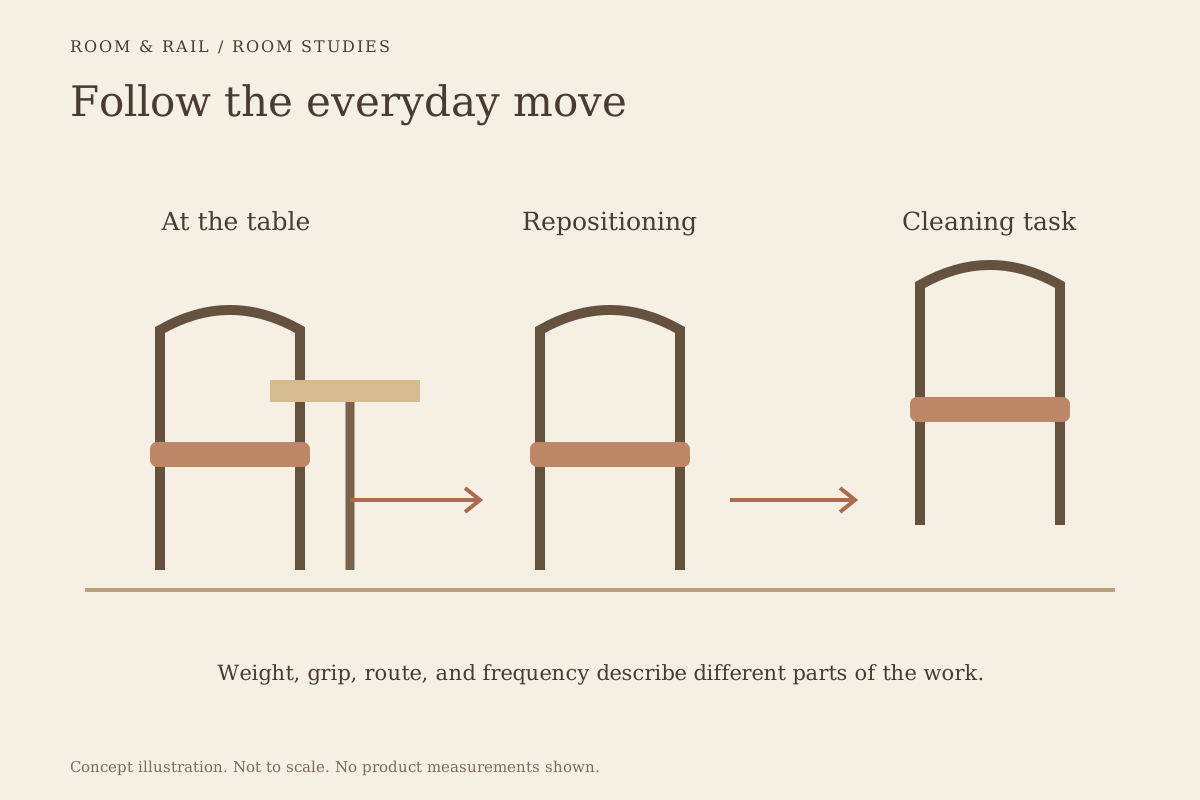
Begin with one ordinary handling task from the actual restaurant. It might be moving chairs for floor cleaning or resetting a private room. Reviewing that task makes the comparison more useful than treating the lightest number in the catalog as the automatic winner.
Open diagram at full size (new tab) ↗
Define the movement before selecting a model
Record the start and end positions, the route, and who normally performs the task. Include doorways, changes in level, and places where furniture must turn. Do not invent a lifting method or assume that one person should handle every chair without the appropriate guidance.
The venue brief helps distinguish daily movement from occasional room changes. A chair that stays near its table faces a different review from furniture that travels to storage after every service. Use the actual operating plan rather than a generic description of a busy restaurant.
Connect the task to the room schedule. Quantities matter because a repeated task may involve many pieces, but a product count alone cannot establish its effort or duration. Record those observations only after the real procedure has been reviewed.
Use listed weights as specific comparisons
The FRU-100-SV chair lists a weight of 12 pounds, a steel frame, and indoor use. The FRU-YHS-2208-QS chair lists 17 pounds, an aluminum frame, and indoor use. Both are recorded as stackable, but they remain different products with different shapes and upholstery.
These examples show why material alone is an incomplete shortcut. The aluminum model's listed weight is higher than the steel model's in this comparison. That does not establish a general rule about either material; it demonstrates the value of reading the actual model record.
The FRU-135 chair lists 7 pounds and indoor and patio use. Its different construction and woven appearance may suit another visual direction. Compare its complete specification with the room's needs before treating its lower listed weight as a sufficient reason to choose it.
Look for an approved way to handle the shape
Ask for the manufacturer's handling guidance and inspect the parts intended to support ordinary movement. A decorative rail, upholstery edge, or projecting arm should not automatically be used as a lifting point. The shape that looks easiest to grab may not be the appropriate part.
Review whether the chair's balance and outline make the approved task awkward in the actual route. Have the relevant team assess the procedure safely, without forcing a trial that exceeds a person's capability. Record the observed issue in concrete terms rather than calling the model easy or difficult in general.
The chair selection guide keeps handling alongside fit, finish, and intended use. A favorable movement review does not remove the need to examine the chair at the table. The product must suit both parts of its working day.
Separate carrying from sliding
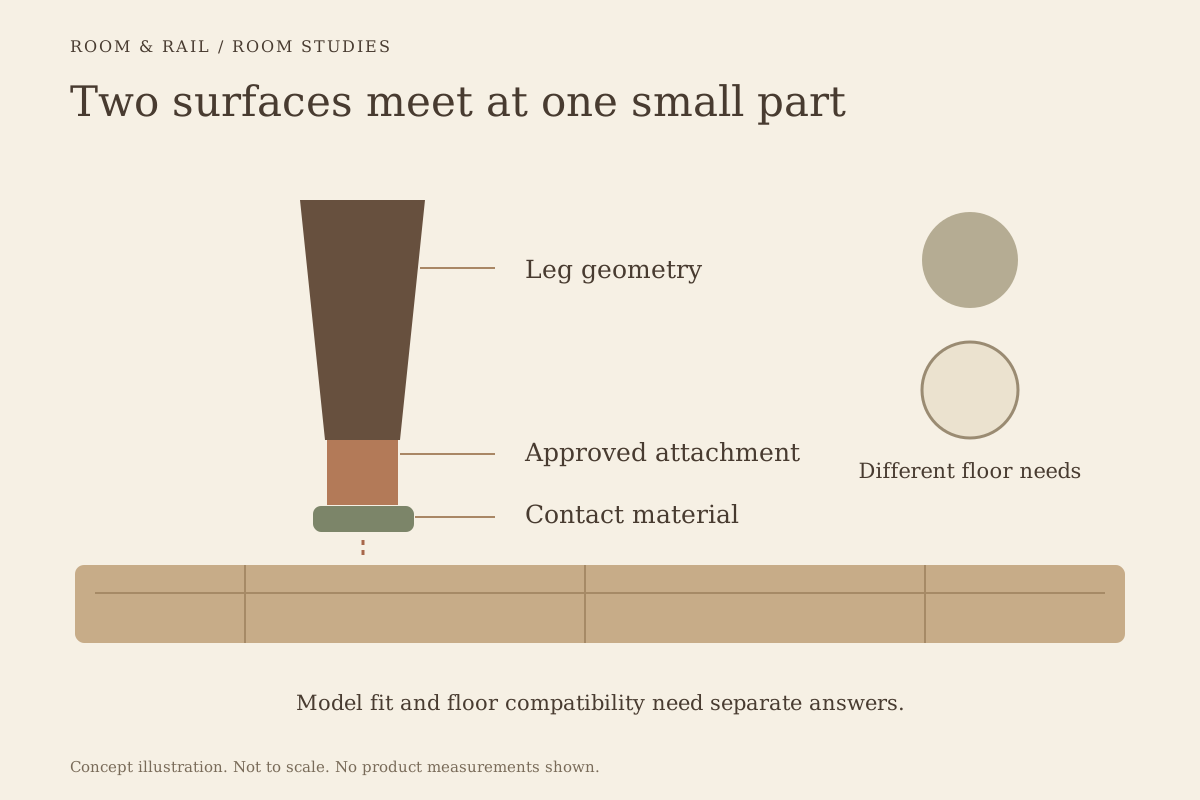
Some daily movements involve repositioning a chair against the floor rather than carrying it to storage. The fitted contact components and flooring become part of that task. Obtain guidance for the actual chair-and-floor combination instead of changing parts to make movement feel easier without checking compatibility.
The chair-glide guide explains how to identify and review those components. A worn or inappropriate glide can raise a different question from the chair's total weight. Do not attribute every scraping sound or mark to heaviness alone.
Keep the flooring supplier's requirements with the furniture instructions. A handling practice that appears convenient should not quietly override either set of guidance. Where the instructions conflict or leave a gap, resolve that point before turning the trial into the routine.
Review stacking only when it is documented
A stackable label is useful, but it is not a complete storage plan. Ask for the permitted stack height, nesting method, and any approved transport equipment. Confirm how the selected seat or upholstery option affects the instructions.
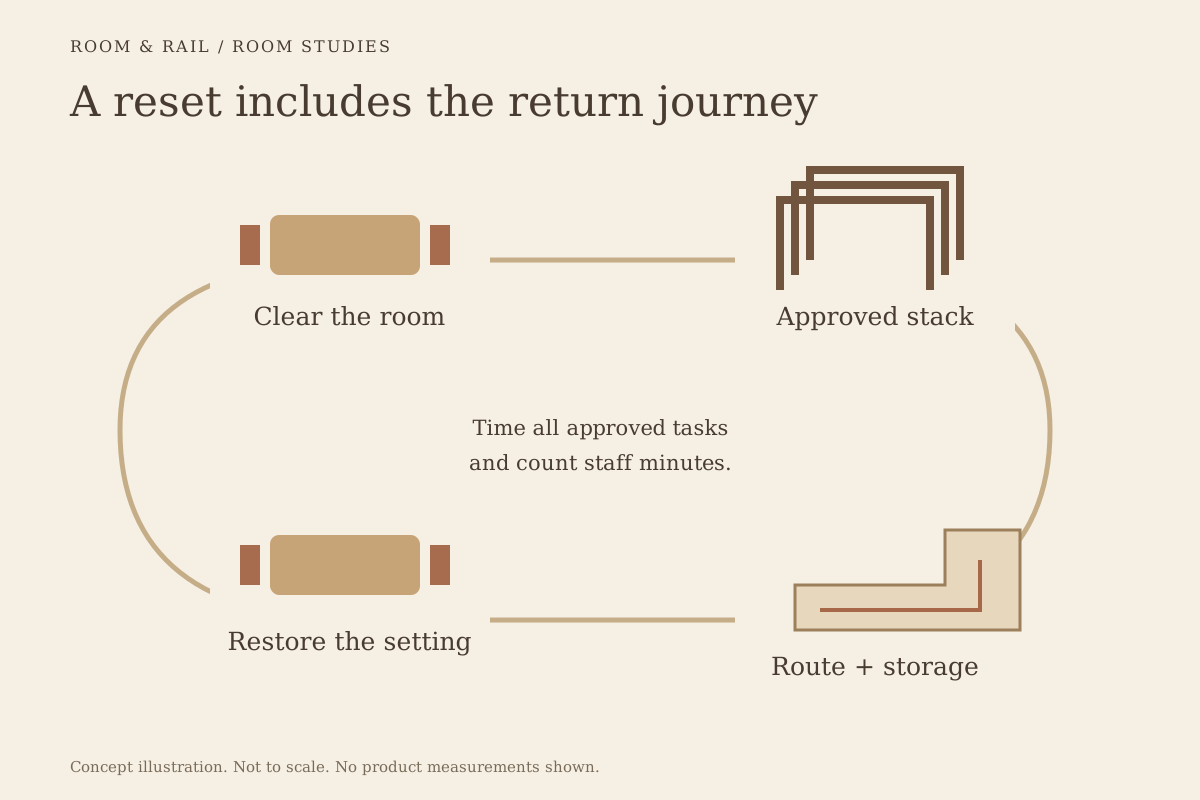
The stacking-chair reset guide considers the complete route from room to storage. This daily-handling comparison remains focused on the individual movement task. A chair can be manageable on its own while an improvised stack creates another problem.
Do not test the limits by adding more pieces until a stack appears unstable. Use the documented limits and appropriate review. Storage decisions should not depend on a visual guess or a practice borrowed from a different model.
Include care and condition in the routine
Review the chair before movement for issues covered by the manufacturer's inspection guidance. A loose part or damaged component needs the proper response. Lower weight does not make a damaged chair suitable for continued use.
The wear review helps distinguish a condition concern from a cosmetic preference. Keep the affected model and location identifiable so a problem does not disappear into a general note about the furniture. Follow the approved service or replacement path.
For upholstered pieces, retain the material-care questions alongside the movement procedure. Carrying or nesting the chair should not assume that any part of the upholstery can withstand contact with another frame. Ask for the actual instructions where the route requires close storage.
Compare observations without promising a saving
If the restaurant measures the task, record the conditions and procedure for each model. A meaningful comparison needs the same route and equivalent work. Do not present a time saving or injury reduction before a suitable assessment supports that claim.
Use the ownership comparison to structure your own record of listed weights, documented handling requirements, and observed differences. Keep unmeasured costs visibly separate. A precise-looking annual figure built from guesswork adds little to the decision.
Keep the lighter choice connected to the room
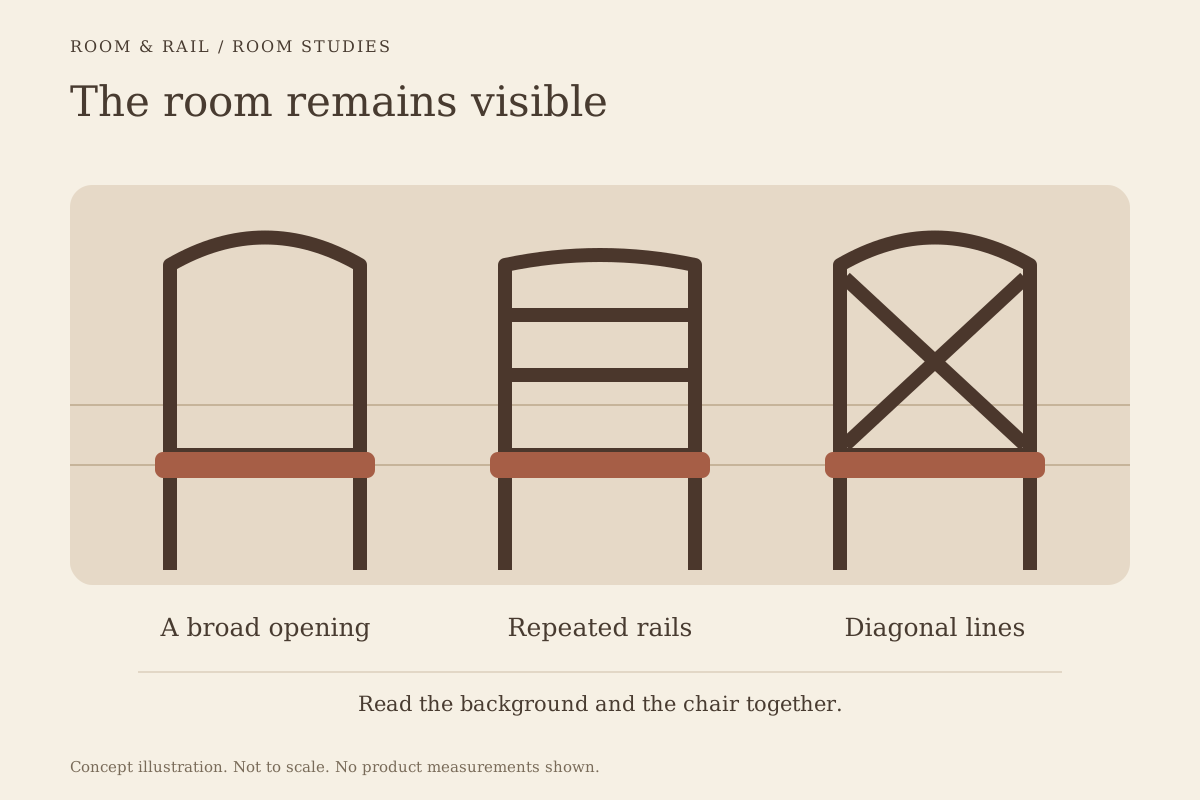
Review the preferred model against the palette and the dining arrangement before final approval. Save the exact configuration on the finish board, including the seat option used in any sample review. A different version may change the relevant information.
The best comparison explains why the chair suits the actual movement task and the room where it belongs. It uses weight as evidence, not a verdict. That leaves the team with a specific handling decision rather than a broad promise that lighter furniture will solve every operational concern.