The room journal
Tabletop cleaning starts with the actual surface and edge
A cleaning routine can change a restaurant tabletop's appearance even when the furniture was selected for commercial use. The result may come from an incompatible chemical, an abrasive tool, residue, repeated wetting at a joint, or a method intended for a different surface. The material name alone does not identify the right procedure.
Start with the finished assembly: the top face, edge, seams, underside, and any exposed mounting area. A cleaner that suits one of those surfaces may not suit all of them. Understanding where the treatment goes is as useful as identifying the bottle used by staff.
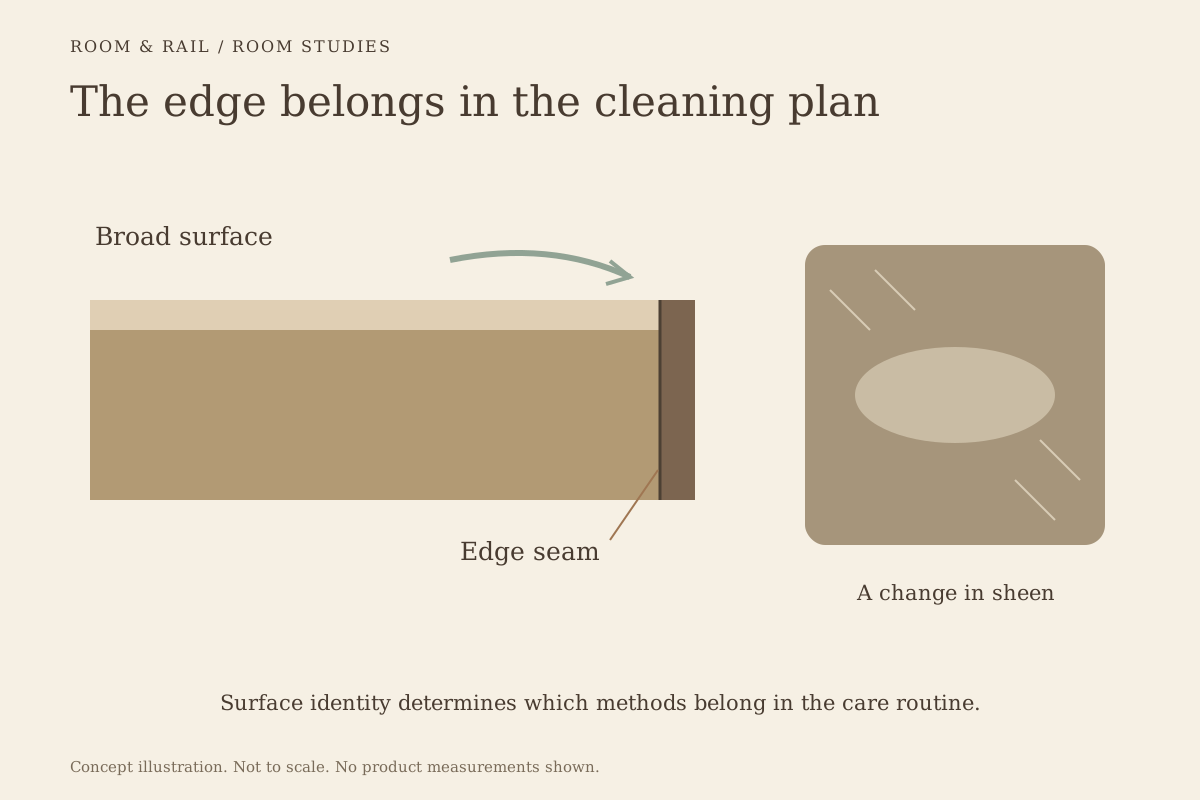
Open diagram at full size (new tab) ↗
Identify the exact surface before changing the routine
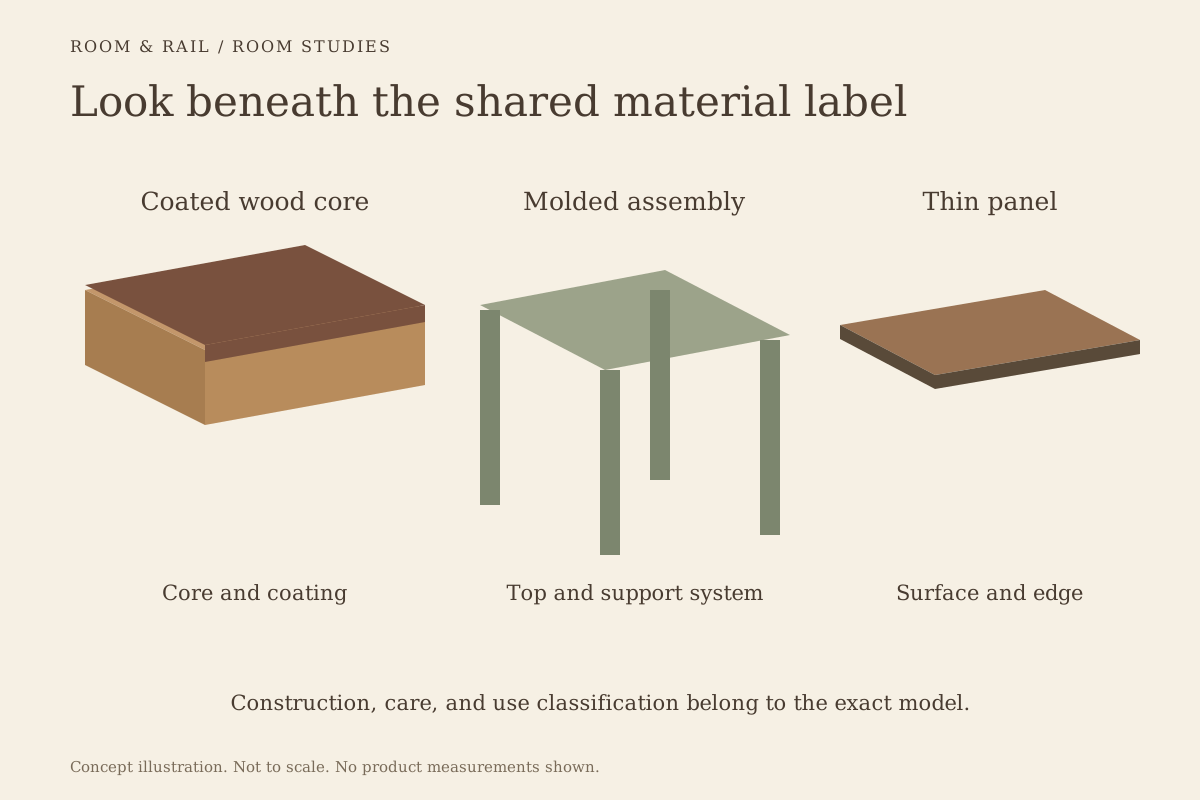
Wood, laminate, and resin describe broad material groups. Within each group, coatings and constructions can differ. A Walnut finish might describe actual stained wood, a printed laminate pattern, or a resin surface with a wood appearance. Similar color is not evidence of shared care requirements.
The materials guide keeps those identities separate. The FRU-ERAT-ELM top, for example, is listed as solid wood, while the FRU-RESIN top is listed as resin. Their wood-like appearance should not cause a restaurant to use one generic wood-treatment routine on both.
Locate the instructions for the selected finish and current product version. If an existing table's identity is uncertain, resolve that before applying a stronger treatment. The absence of an immediate visible mark is not proof that an unverified cleaner is suitable for repeated use.
Distinguish chemical change from abrasion
A chemical can interact with a coating, while an abrasive tool can physically change the surface texture. Those are different routes to a visible mark. A dull area, a glossy patch, or a changed color may need investigation rather than an automatic assumption that the surface is still dirty.
Formica's guidance for its FENIX surfaces provides a useful specific example: abrasive cream, scouring pads, and hard brushes can alter the matte surface and create a glossier area over time. The guidance also asks users to establish that the surface actually is FENIX before applying its care advice.
That example should not be transferred to an unidentified matte tabletop as a complete cleaning recipe. It shows why the finish's physical structure matters. A surface can look smooth from across the room while having a texture that is changed by an unsuitable cleaning tool.
Follow the liquid to seams and edges
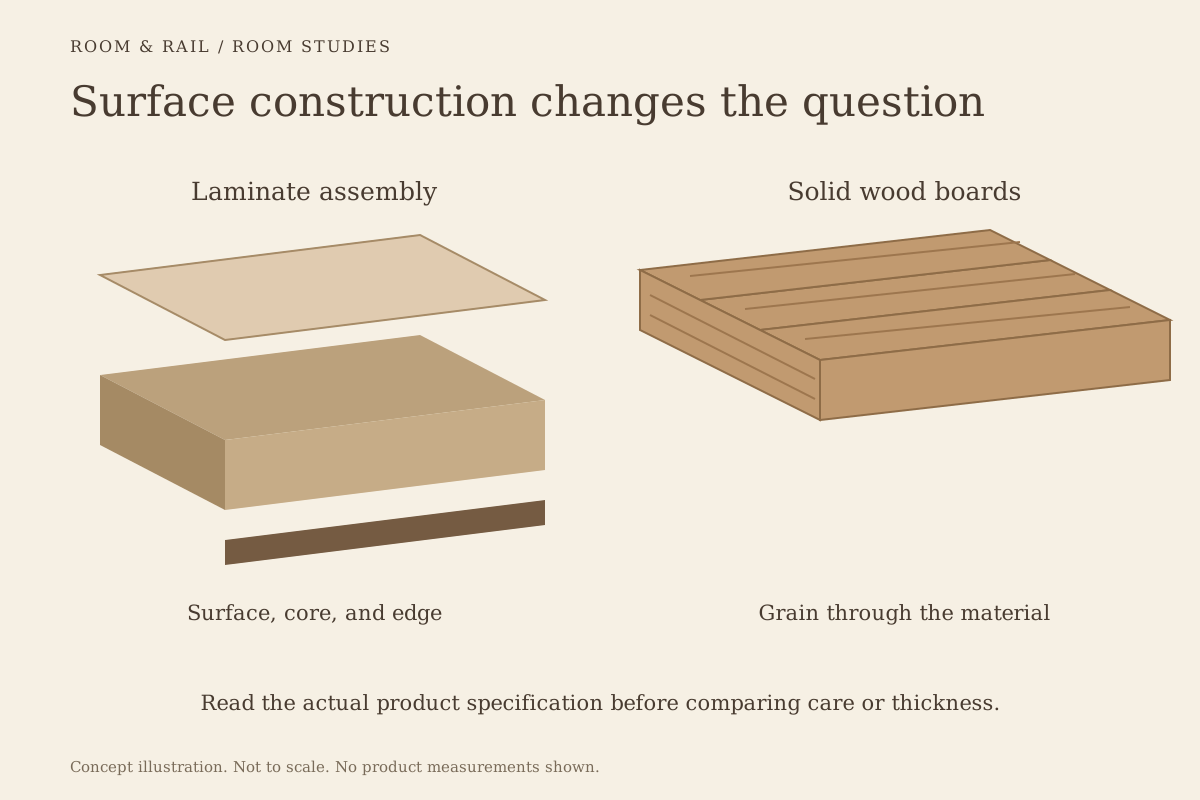
A tabletop's broad face may be only one layer of the assembly. At a seam or damaged edge, liquid can meet a different material below. Formica's laminate instructions warn against flooding seams because water can penetrate and swell the substrate, while its routine includes rinsing and drying.
The laminate-and-solid-wood comparison explains the distinction between surface and core. The lesson for a selected table is to follow its own instructions at the edge as well as the face. A quick wipe across the center does not describe what happens where liquid collects.
The FRU-LAE-SFCH top is listed with an aluminum edge around a laminate top. That is a visibly mixed assembly. Obtain care information that accounts for both materials rather than choosing a treatment only because it is familiar from another laminate product.
Check whether residue is changing the appearance
A streaked or sticky-looking surface may involve cleaner residue, accumulated soil, or a changed finish. Increasing the strength or quantity of the same product without identifying the cause can make the review less clear. Compare the actual method with the supplied instructions first.
Some manufacturer guidance distinguishes washing, rinsing, and drying as separate steps. If the approved routine includes all three, omitting the final steps changes the process. Staff need a practical method that fits service, including suitable cloths and a clear way to avoid carrying residues from other tasks.
The finish-sample guide can help identify the intended appearance of the selected surface. A retained reference is useful when the question is whether the top has become glossier, duller, or uneven in tone. It does not diagnose the cause by itself.
Keep the cleaning product and contact conditions together
The product name, dilution where applicable, contact duration, application method, and removal steps can all be part of the approved routine. A chemical described as compatible under stated conditions should not be treated as suitable at every concentration or exposure time.
Follow the cleaning product label and the furniture manufacturer's material guidance together. If their instructions cannot be reconciled for the intended task, obtain clarification or select a compatible method. A furniture article should not invent a chemical recipe or replace the applicable instructions.
The buying guide can include this compatibility question before the order is finalized. If a restaurant has an established cleaning system, give the actual product details to the supplier during selection instead of discovering a conflict after installation.
Treat wood finish care as its own specification
A coated dining top and an oil-treated preparation block may both use wood, but they are different finished products. Oiling, sanding, or applying furniture polish should not be assumed appropriate for every wood table. The coating and intended use determine the relevant instructions.
The wood-movement article also distinguishes moisture response from surface cleaning. Repeated wetting or an unsuitable storage environment can raise questions beyond the appearance of the coating. Do not treat a new gap or uneven area as something a cleaner can simply remove.
The butcher-block guide explains why a construction name is not permission to use a dining surface as a cutting board. Care should follow the supplied dining product, including its finish, rather than a routine borrowed from food-preparation equipment.
Review a concern through a controlled, approved process
When a mark appears, identify the affected area, the product used, and the method followed. Compare those details with the instructions before trying another chemical. A supplier may ask for photographs or a sample review to distinguish residue, coating change, edge damage, or another condition.
Any trial should use the manufacturer-approved method on an appropriate sample or permitted area. Do not combine several new treatments at once, because the result will not show which change mattered. The purpose is to resolve a specific concern, not conduct an improvised durability test on installed furniture.
The replacement-top article becomes relevant when assessment identifies damage that cannot be addressed through approved care or service. A new top should bring its own instructions into the room rather than inheriting the same unidentified routine that preceded it.
Make the daily method match the selected furniture
Keep the exact top and finish on the finish board, and make the applicable care instructions available to the people performing the work. If the restaurant uses different tops in different zones, the cleaning method may need to distinguish them even when their colors look similar.
A useful routine is repeatable because the surface, product, tool, and steps are clear. It protects the visual decision without relying on broad claims that a commercial material can withstand anything. That precision is more valuable than choosing a stronger cleaner whenever a table no longer looks as expected.