The room journal
Resin restaurant tables: one word, several constructions
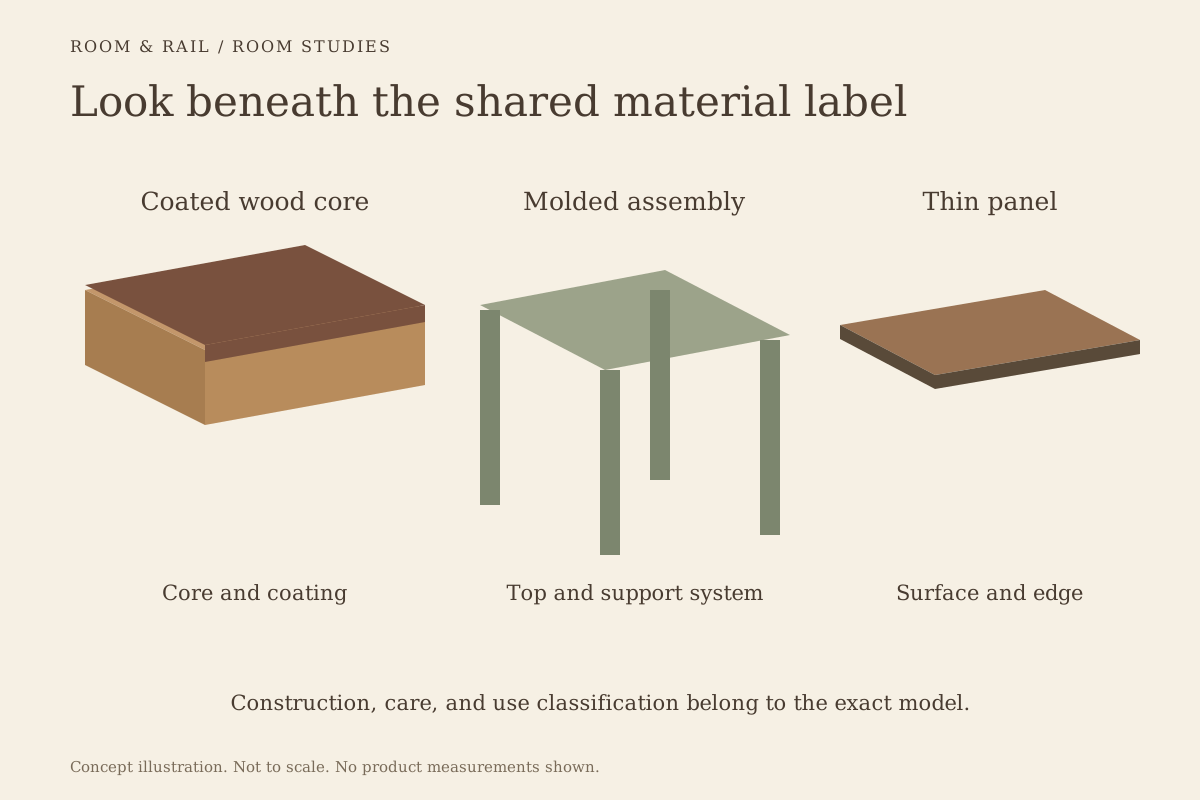
Resin restaurant table tops can imitate wood, stone, or another surface while using a construction that differs from the material they resemble. The word resin, however, covers more than one kind of finished product. A coated core, a molded table, and a thin outdoor top should not be treated as interchangeable because their catalog descriptions share that word.
A useful comparison with solid wood begins by identifying the actual resin product. Then compare its surface, core, edge, intended use, care instructions, and base pairing. Lower maintenance is a claim about the complete routine, not a benefit that can be assumed from a material label.
Open diagram at full size (new tab) ↗
Identify the construction behind the surface
The FRU-RESIN tabletop has a published description identifying epoxy resin and a solid wood core. Its active record lists indoor use and a 2-inch thickness. That is a specific layered construction, not a solid block of unspecified plastic.
A different example, the FRU-COMI-TBL-275 outdoor table, is described with a polypropylene resin top and air-molded thermoplastic base and legs. It is a complete patio table with an included base in the catalog record. Its construction should not be inferred from the indoor epoxy-top example.
These two products explain why a resin category needs closer reading. The materials guide keeps decorative appearance separate from material identity. A wood pattern can be a visual choice without turning the product into a solid wood dining surface.
Compare indoor and patio claims at the model level
The FRU-RESIN top is listed for indoor use. Its resin description does not make it a patio product. The FRU-COMI-TBL-275 table is listed for patio use, but that classification belongs to that assembly and its applicable instructions.
The outdoor specification guide connects the product to exposure, care, and storage conditions. A covered terrace, an open patio, and an indoor dining room are different settings. Choose the actual stated use rather than assuming that every synthetic-looking surface can remain outdoors.
The FRU-LAM-PH-OD-DWL top provides another distinct record: resin material, indoor and patio use, a 1/2-inch listed thickness, and a phenolic-edge product description. Its thinner profile is a different design and construction question from the 2-inch indoor top.
Read the perimeter as part of the room
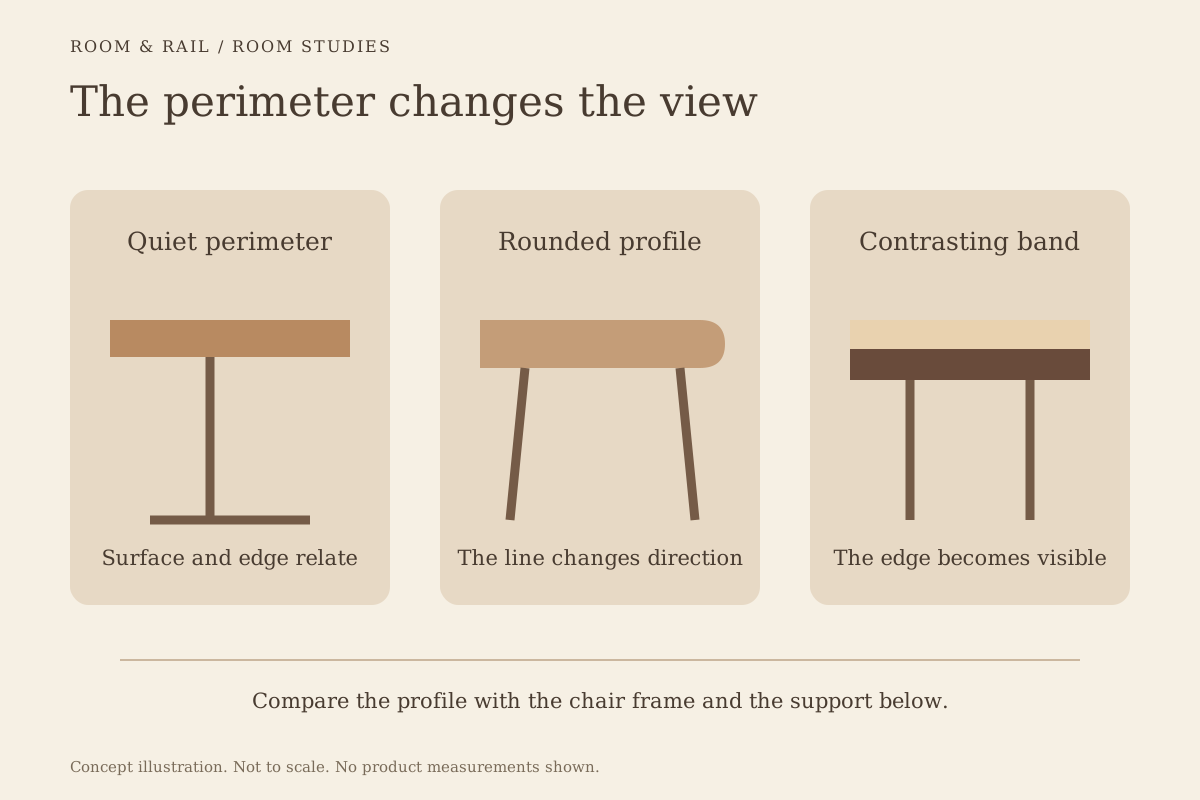
A thick edge can make a table look substantial and create a strong horizontal band. A thinner edge can leave more visual space between the surface and the seating. Neither appearance establishes strength or compatibility; it describes how the selected product enters the composition.
The table-edge study compares perimeter contrast and profile beside chairs and booths. A resin wood-look surface may have a grain pattern that meets the edge differently from real boards. Review the actual top and edge together rather than relying on a cropped overhead image.
The finish-sample guide is useful where the decor imitates another room material. A wood-look top does not need to be mistaken for the existing wood floor to work well. A deliberate difference can be more convincing than a near-match whose pattern and sheen disagree.
Compare the care routine without borrowing a promise
The published FRU-COMI-TBL-275 description mentions soap and water for routine cleaning. That is guidance for the named product, not a recipe for every resin surface or every type of soil. The selected furniture still needs its applicable care information and compatibility with the restaurant's actual cleaning products.
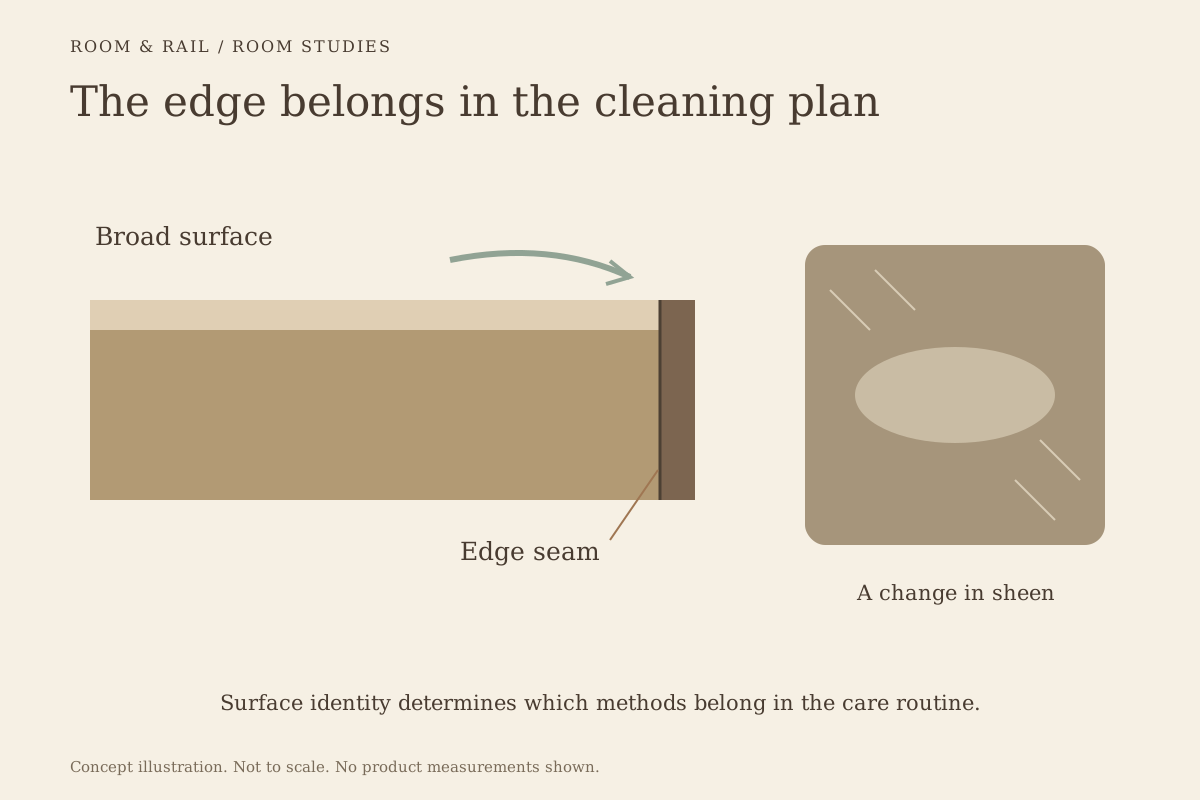
The cleaning-compatibility article explains why coating, core, seams, and edge may need different attention. A surface marketed as easy to clean should not be rewritten as immune to every chemical, hot object, scratch, or prolonged exposure.
For the epoxy-coated wood-core top, retain the distinction between surface and core when reviewing an edge or damaged area. A material description does not establish how a particular chip or opening should be repaired. Use the approved service guidance for that construction rather than an improvised resin patch.
Make the solid-wood comparison specific
The FRU-SW-BB top is listed as solid wood for indoor use with a 1 1/2-inch thickness. It offers another visible surface and edge within the dining room. Compare it with a selected resin top in the same proposed size, not with a broad image of wood furniture in general.
The solid-wood movement guide explains why moisture and mounting belong to that material's review. A resin-coated product with a wood core does not automatically share or eliminate every behavior of a different solid wood top. The construction must be understood before drawing that conclusion.
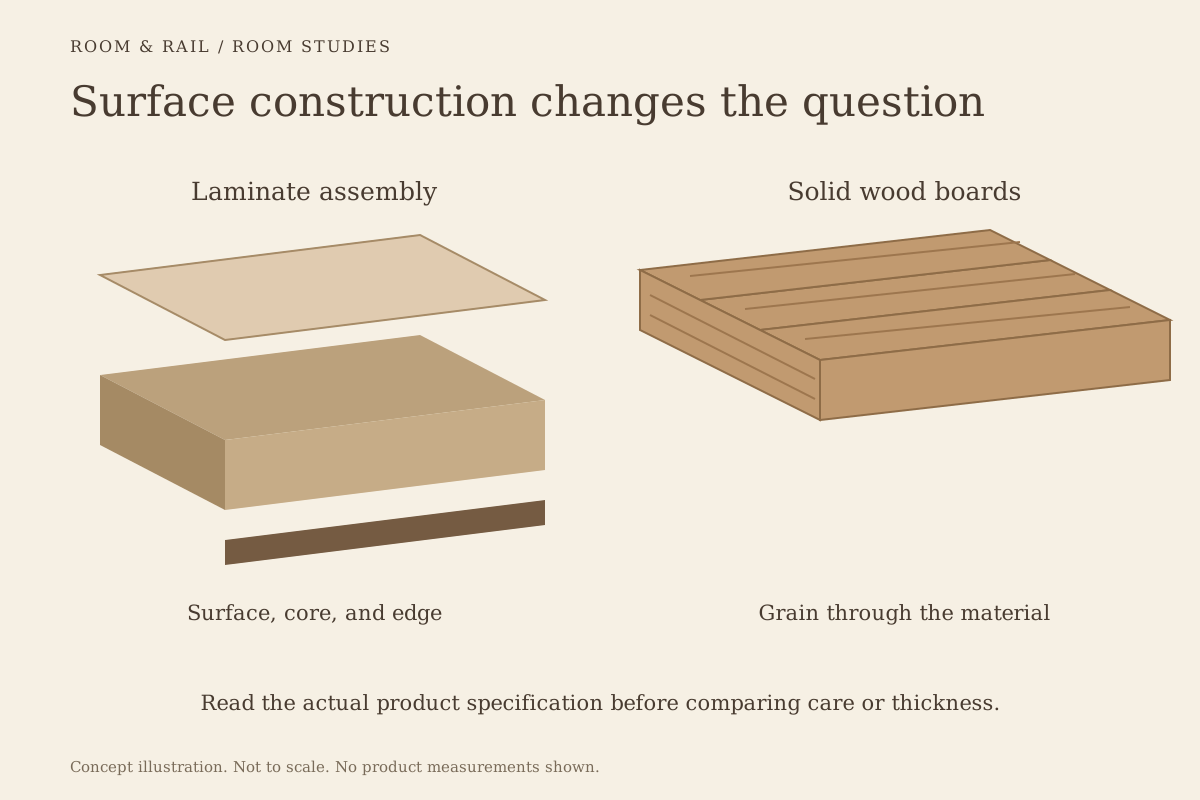
The laminate-and-wood comparison adds another useful distinction: surface labels do not always describe what supports them. The buyer should know whether the selected product is a complete molded assembly, a coated core, or another documented structure.
Check the base before comparing purchase totals
Different top thicknesses and constructions can bring different weights, attachment details, and approved support requirements. The table-system guide keeps the top and base together as one confirmed combination. A similar plan size is not enough to establish that two tops can use the same base.
For a room retaining existing supports, the replacement-top guide identifies the information needed about the base and mounting. The selected resin top may require a different connection from the previous wood surface. That should be resolved before the order becomes an installation problem.
A complete table such as FRU-COMI-TBL-275 should also be priced as its actual selling unit. Comparing it with a top-only starting price would omit the support from one side of the decision. Match the scope before judging which route costs less.
Evaluate appearance and service using the same setting
Place the candidate sample beside the actual chairs, tableware, and lighting. Compare sheen, texture, edge profile, and the way the pattern repeats across several tables. A small resin decor sample can be useful, but it may not show the full scale of a wood or stone pattern.
The round-and-square study can hold shape and service assumptions steady while material changes. That helps identify which differences come from the surface and which come from a different tabletop size or seating arrangement.
Where maintenance cost matters, use the restaurant's actual approved routine and observed work rather than assigning a generic saving. Fewer assumed treatments on paper do not establish a measured reduction in labor. A clear comparison can state what instructions differ without inventing an outcome.
Choose the documented product behind the label
Save the exact top or complete table, selected finish, size, and base in the finish board. Keep the construction and care information attached to that selection. A later purchaser should be able to distinguish the epoxy-coated indoor top from a molded patio table even if both were casually called resin.
Resin can offer useful design directions, including a wood-like pattern with a different construction or a coordinated outdoor table assembly. Its value comes from the selected product's actual properties and fit with the room. The material name alone cannot establish that it is the lower-maintenance answer to every solid wood table.