The room journal
Restaurant table edges: the small detail that changes a room
Restaurant table edges occupy a small part of the surface area and a large part of the view. From the entrance, the top may appear mainly as a narrow line above the chairs. Seated guests see that line much closer, beside upholstery, hands, and the table setting.
Give the edge its own place in the furniture selection. Its visible depth, profile, and color can change how a familiar tabletop relates to the room. A surface that looks quiet from above may become a strong horizontal feature when its perimeter is seen in a row of tables.
Open diagram at full size (new tab) ↗
Begin at the height where the edge will be seen
Most catalog photographs show enough of the top to explain its finish. That is useful, but the view may emphasize the surface more than the edge. Look for a side or angled image before deciding how substantial the table will appear.
When browsing restaurant table tops, keep the listed thickness and the visible edge treatment separate in your notes. The apparent depth in a photograph can be affected by perspective or a shaped profile. Ask for the missing detail when it determines the proposed pairing.
Compare the tabletop with the chairs at the same approximate viewpoint. A broad edge beside a slender chair frame creates a different relationship from a thin-looking edge beside a fully upholstered seat. The choice is about the combination, not whether one piece seems attractive on its own.
Decide whether the perimeter should contrast
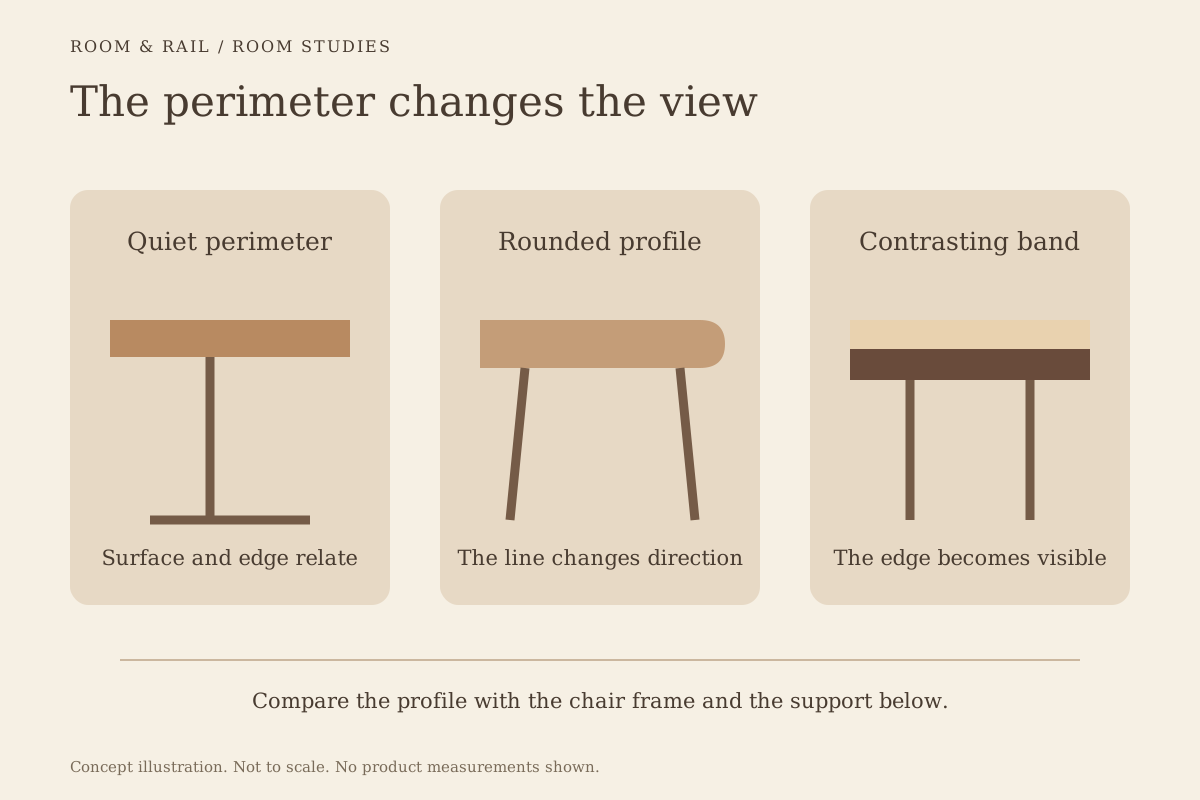
An edge close in color to the top can let the surface read as a single shape. A contrasting band can draw attention to the perimeter, especially against quieter seating. Both can be useful, but they ask for different support from the surrounding palette.
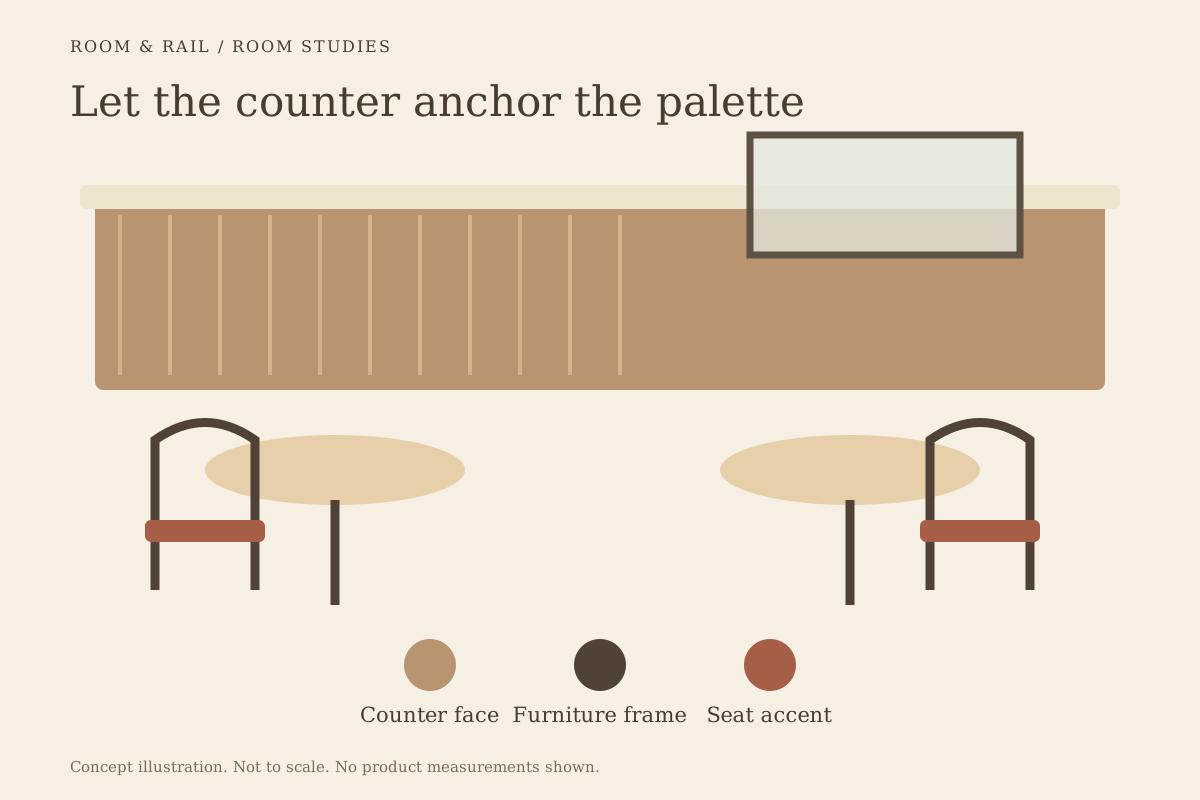
If the room already contains strong horizontal details, such as shelving or wall rails, try a less pronounced table edge in the comparison. If the furniture needs a clear outline against a pale floor, a stronger perimeter may be worth testing. Keep these as visual alternatives until the whole room is reviewed.
Save the selected tabletop beside the seat and frame choices on the finish board. A cropped material sample alone may hide the relationship between the surface and its border. Review the whole-product gallery image as well as the close detail when both are available.
Read the profile without assigning it a style label
A rounded edge, a squared edge, and an irregular-looking edge can suggest different kinds of line. Yet none of them defines the entire restaurant style. Their effect depends on neighboring curves, the scale of the seating, and the fixed finishes in the room.
Try pairing a straighter edge with a curved chair back before deciding that every piece needs the same softness. Conversely, a rounded table perimeter can temper an arrangement of more angular frames. The shape and proportion guide offers a wider way to review those contrasts.
Keep construction claims out of the visual shorthand. A photographed edge cannot prove whether the entire top is solid wood, a decorative surface over another material, or a particular assembly. Read the product record and the materials guidance before carrying a description into the selection notes.
Connect the edge to what sits below it
The table base affects how the edge is read. A substantial top over a visually slender support may draw the eye upward. A more prominent base can make the lower part of the table another feature in the composition.
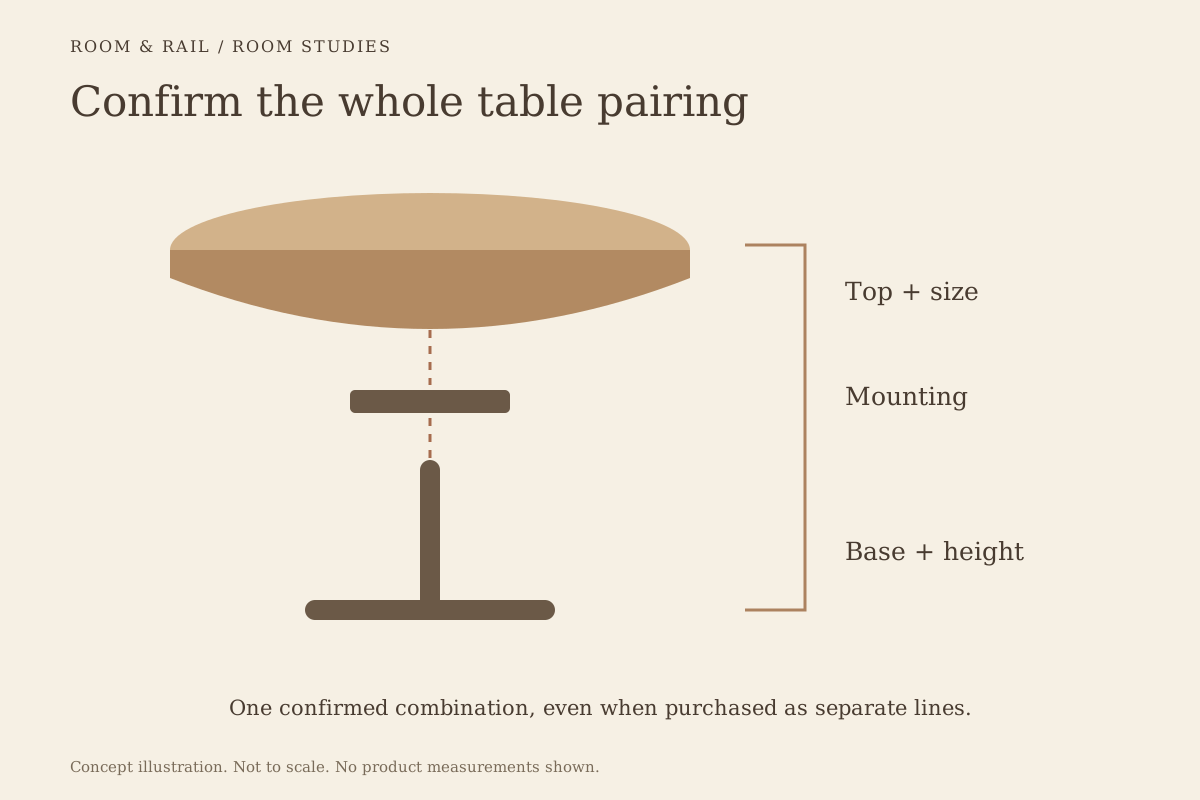
Compare table bases with the actual selected top rather than choosing them as isolated objects. Confirm that the proposed components are compatible, including the offered size and mounting details. Visual balance does not establish a usable component pairing.
For complete tables, check which elements are included and which are selectable. Keep the intended combination visible in the board. If an image shows a different size or finish from the selected version, retain the option labels prominently so the visual reference does not become misleading.
Study the repetition across the dining area
A single table edge can be subtle while a series forms a continuous band through the room. This is especially noticeable where several tables share a similar alignment. The repeated line can reinforce the architecture or compete with it.
Sketch the tables as simple blocks in a room elevation. Add the chair backs and any fixed horizontal features, leaving out decorative details at first. If the drawing feels crowded, changing the edge contrast may be a smaller intervention than changing the entire seating scheme.
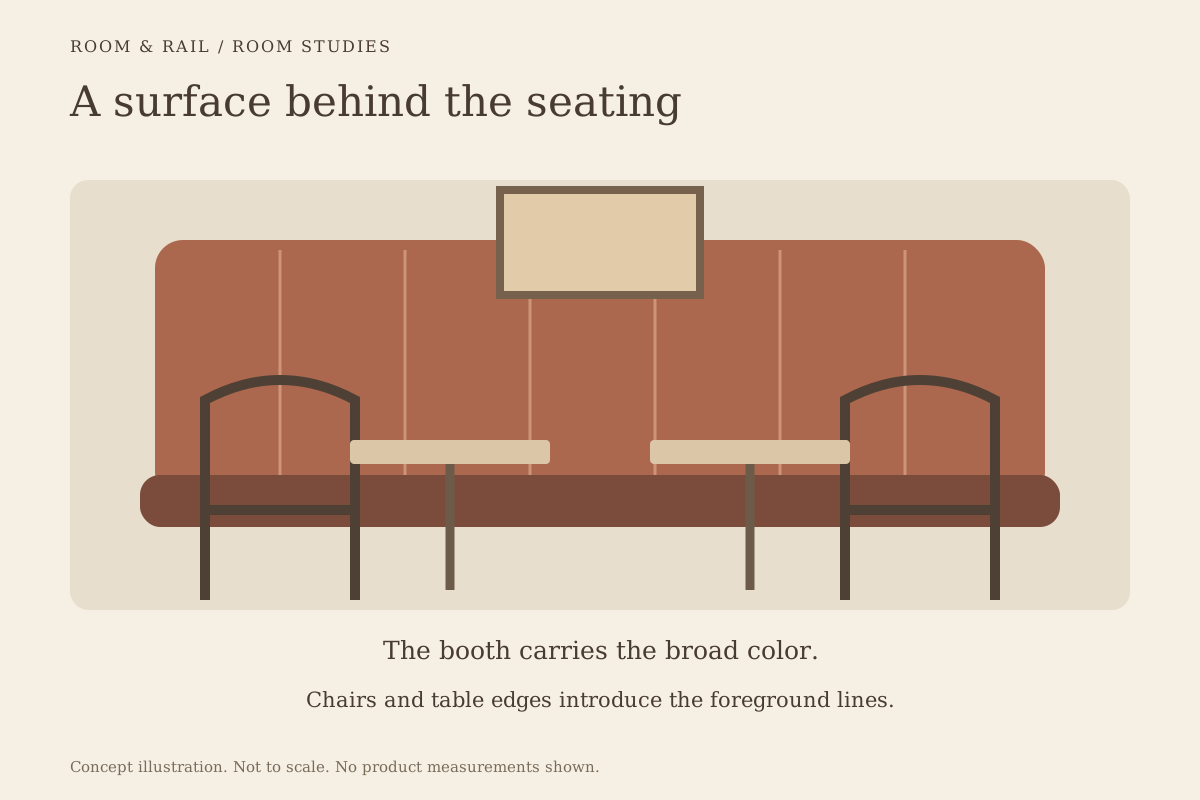
At booths, the edge may sit in front of a broad upholstered surface. Compare its color and apparent depth against that background. A table that looks restrained beside loose chairs can stand out more strongly against an uninterrupted booth back.
Let table settings enter the comparison
The furniture will be seen with the objects used during service. Place the proposed tabletop and edge beside representative dishes, glassware, or linens if those selections are available. Their colors can change which part of the table attracts attention.
You do not need a fully styled scene to make this useful. A small set of actual references is enough to reveal whether the perimeter competes with the table setting or provides a calm boundary beneath it. Keep operational care questions separate from this visual judgment.
If the restaurant will use different settings at different times, compare both. The edge remains visible even when much of the top is covered. Record the conditions of the review rather than accepting a single styled photograph as the complete answer.
Keep practical questions attached to the chosen detail
An appealing profile still needs the product-level checks that make the table suitable for its intended use. Confirm the stated material, size, use classification, and relevant care instructions. For an exterior dining area, review outdoor furniture at the individual listing level.
Check the intended relationship to seating and any fixed nearby elements through the measured room-planning process. Do not infer arm clearance or usable space from the appearance of the edge. Those questions need actual dimensions and the appropriate layout review.
Give the small line a clear decision
Save the edge reference with the selected tabletop and its intended support. A short note can explain whether the perimeter is meant to blend with the surface, repeat a dark frame, or add a deliberate contrast. The finish-board workflow keeps that detail connected to the rest of the scheme.
When a later revision changes the top, revisit the edge as well as the surface color. The room may depend on a quiet horizontal line that the replacement no longer provides. Keeping that small decision visible makes it easier to preserve the composition through the final furniture selection.