The room journal
Butcher block, end grain, and plank tops: read the visible wood pattern
Butcher block, edge grain, end grain, and plank describe related wood-surface ideas, but they are not interchangeable product specifications. They can refer to different arrangements of pieces and different visible patterns. A restaurant buyer should know which construction is actually offered before using the terminology to compare care, appearance, or price.
The distinction matters because a dining tabletop is also a finished furniture component. Its coating, thickness, edge, mounting, and intended use remain part of the selection. A familiar butcher-block appearance should not be treated as permission to use or maintain the table like a food-preparation cutting board.
Open diagram at full size (new tab) ↗
Read the wood orientation before the style name
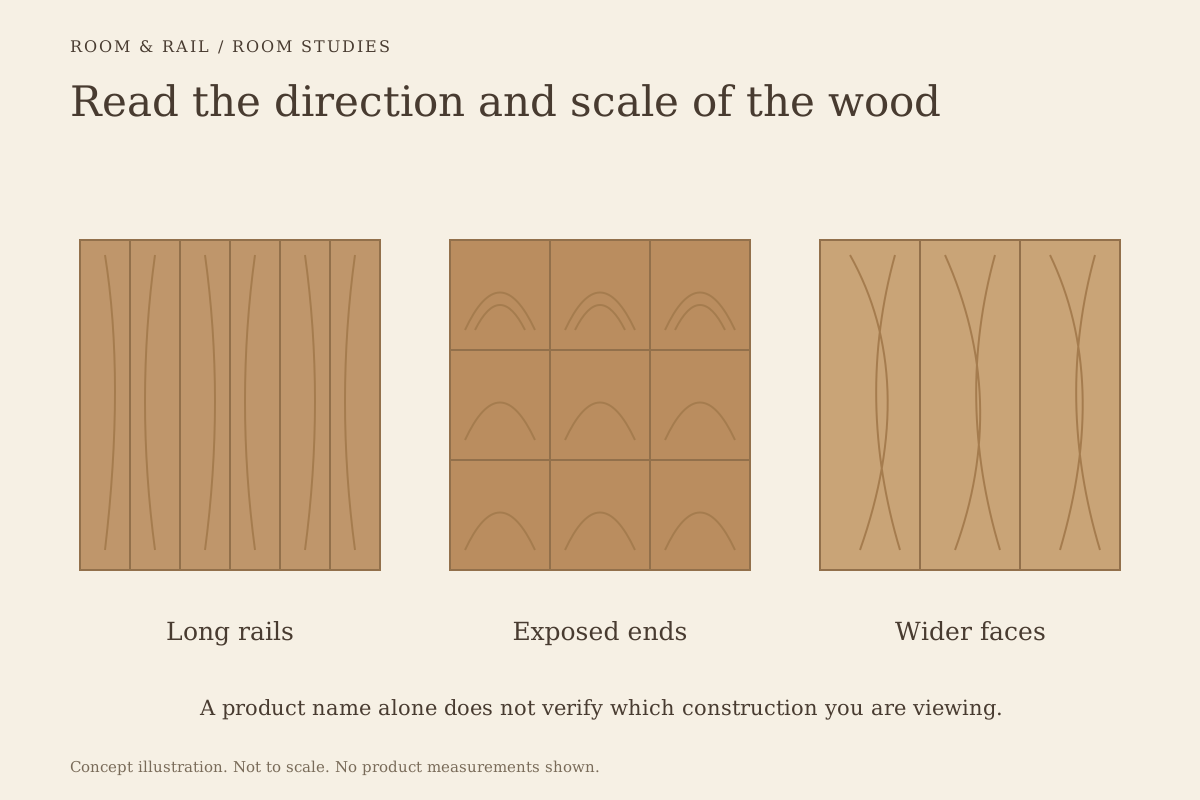
In an edge-grain construction, long rails create a lengthwise pattern across the surface. In an end-grain construction, the exposed ends of short pieces form a block pattern. John Boos explains those arrangements in its cutting-board information, providing a clear material comparison rather than a specification for every dining table called butcher block.
A plank-style surface presents a different visual rhythm through broader board faces and longer grain patterns. The number and width of the boards, their joins, and the selected finish affect the result. A photograph can reveal the visible arrangement, while the manufacturer's description should establish the actual construction.
The materials guide helps keep those terms specific. Use solid wood for the verified material, the product's actual construction name for the offered form, and a separate finish reference for color. A name such as Walnut should not silently become a claim about the species.
Distinguish the listed catalog choices
The FRU-SW-BB top is listed as a solid wood butcher-block tabletop for indoor use with a 1 1/2-inch thickness. The FRU-SW-PL top is listed as a solid wood plank tabletop, also for indoor use and with the same stated thickness.
The published FRU-SW-PL description identifies maple wood for that product. The reviewed FRU-SW-BB specification does not establish an end-grain construction. Its butcher-block name should therefore not be expanded into an end-grain claim without additional product evidence.
End grain remains a useful construction to understand when comparing the wider market, but it is not presented here as a selectable version of these catalog models. Keep that boundary clear so a buyer does not mistake an educational diagram for an available configuration.
Compare the pattern at the scale of the room
A narrow-rail pattern can create many repeated lines within one tabletop. A plank surface can display broader changes in grain and tone. An end-grain block pattern introduces a more cellular visual rhythm. These patterns can each become prominent when repeated across a dining room.
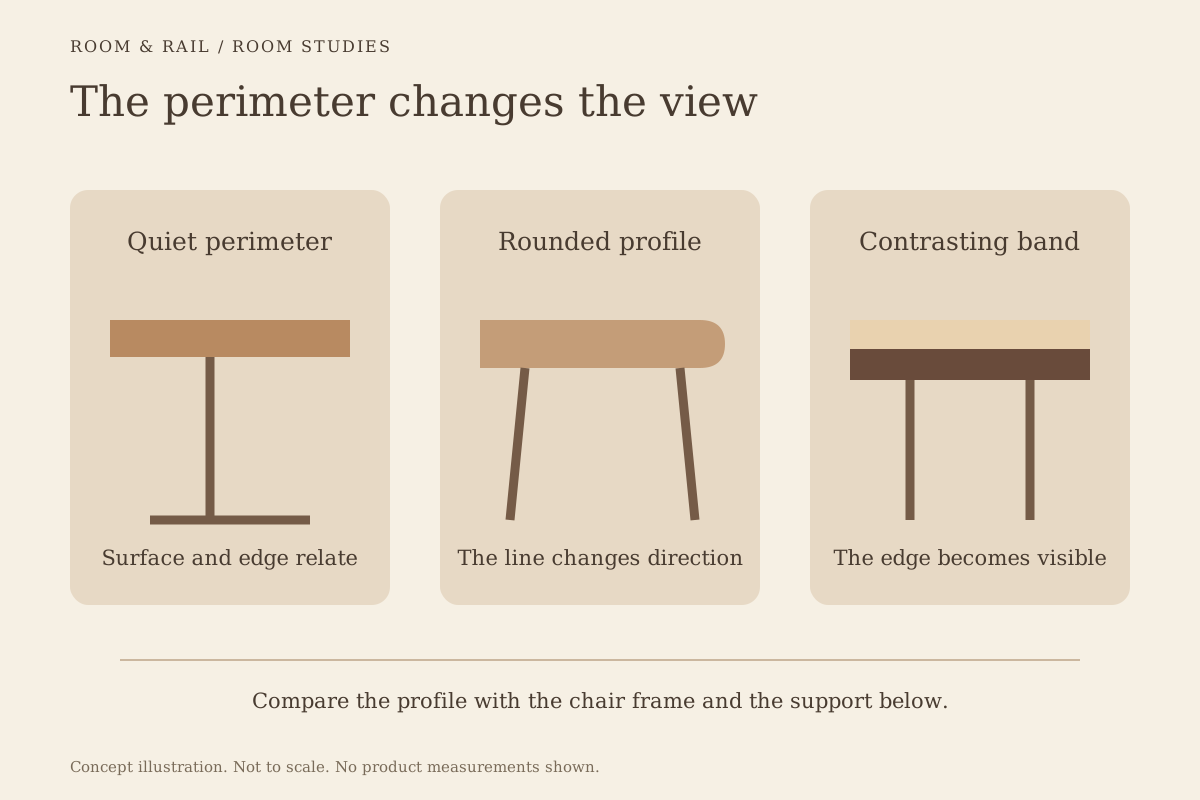
The table-edge study considers how the perimeter frames that surface. A contrasting edge can make a busy grain pattern more contained, while a related wood edge can extend it into a thicker visual band. The actual product's edge treatment determines the effect.
Review the top beside the surrounding furniture. The cane-chair material guide describes a fine woven pattern that may sit close to the tabletop. If both surfaces have strong repeated detail, decide which one should lead and which should remain quieter.
Expect the finish to change the reading of the grain
A finish can change the contrast and apparent depth of the wood pattern. Natural, dark, and distressed appearances can produce different relationships with the same chair frame or floor. The selected sample should represent the actual product and finish, not a generic wood-color image.
Both named tabletop records offer several finish choices. The finish-sample method helps compare them in the room while retaining their exact option names. A matching label across two product families should not be treated as proof of an identical physical match.
The wood-chair and floor study also applies to the table. A room can use related wood tones without asking every surface to imitate the same grain. A deliberate difference in depth or pattern may make the composition clearer than a near-match.
Keep the dining finish separate from cutting-board care
A cutting board and a dining tabletop may share wood terminology while using different finishes and serving different tasks. Advice about sanding or oiling a preparation board should not be applied automatically to a coated restaurant table. The actual tabletop's instructions govern its care.
The cleaning-compatibility guide separates the coating from the wood beneath it. A butcher-block name does not establish compatibility with every cleaning product or treatment. Obtain the selected finish's instructions and compare them with the restaurant's routine.
Likewise, the product's appearance does not establish that direct cutting, chopping, or food preparation is an approved use. Keep the dining function and any preparation-equipment requirements separate. A decorative furniture surface should not inherit claims from a different product category.
Review movement and mounting for the actual construction
The arrangement of the wood pieces is one part of the tabletop; the approved mounting is another. The solid-wood movement guide explains why material behavior belongs in that connection. A finish or construction label does not remove the need for an appropriate assembly.
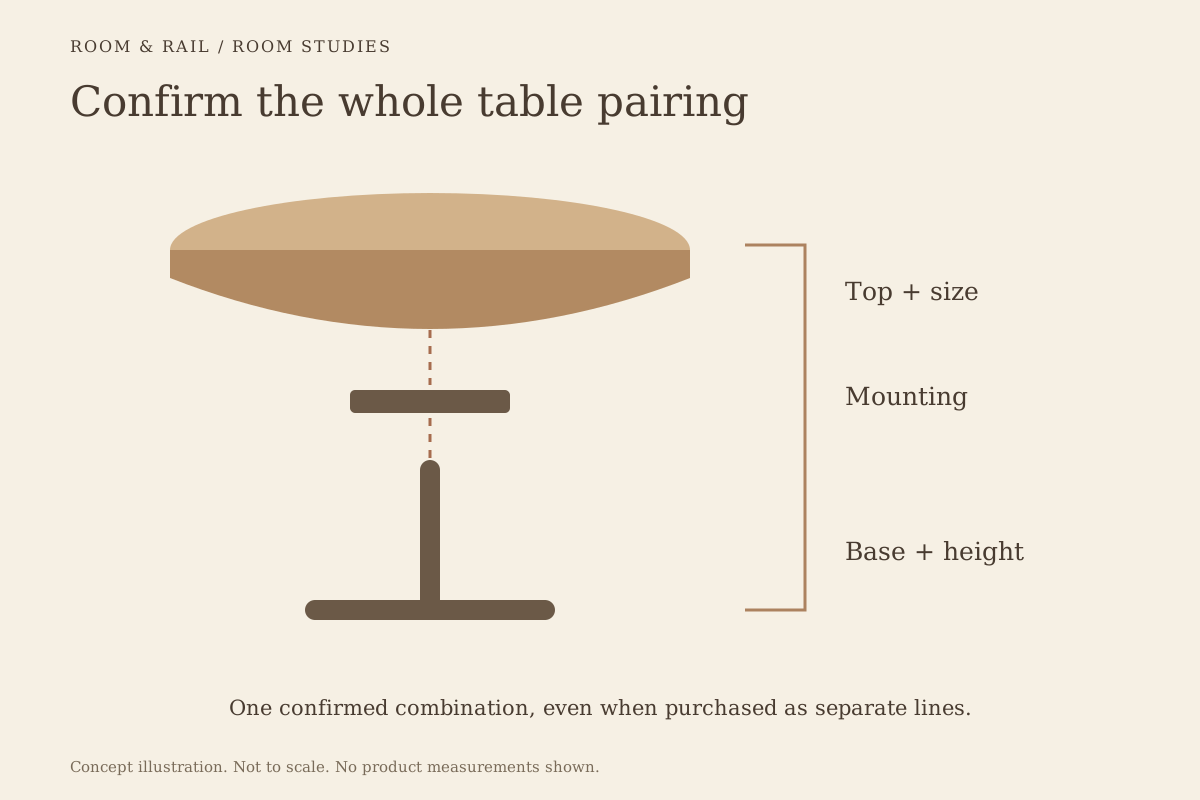
The table-system guide keeps the top, mounting interface, and base together. Do not assume that equal listed thickness means the butcher-block and plank versions can use every mounting detail interchangeably. Confirm the selected size and approved support.
For retained bases, use the replacement-top review. A new top with a different construction may need a different attachment or support assessment even when it has the same outside dimensions as the old one. The old screw holes are not a complete specification.
Compare shape and joins with the service plan
Both named tops offer several shapes and sizes, including square, rectangular, round, and drop-leaf descriptions in the records. The pattern can read differently when cut into each form. A round edge intersects the grain continuously, while a rectangular top gives the pattern a more directional outline.
The round-versus-square article can hold the service assumptions steady while shape changes. Include the meal setting and surrounding chairs so the wood pattern is reviewed as part of a usable dining group, rather than as an isolated decorative panel.
If smaller tables combine for parties, consider how their grain directions and edges meet. The flexible-table guide explains why two separate surfaces do not become one continuous slab simply because their finish names match. The seam and base arrangement remain visible parts of the result.
Specify the construction the buyer can actually order
Save the exact top, size, finish, and approved base in the finish board. If the board arrangement is important to the design, retain the confirmed construction information with that selection. Keep any unverified grain description out of the final order language.
The useful choice is not the most impressive term. It is the documented tabletop whose pattern, finish, edge, and assembly fit the room. Understanding edge grain, end grain, and plank makes that comparison more precise while keeping the available product and the wider material discussion clearly connected.