The room journal
Custom bar-stool options: change the palette without losing the product
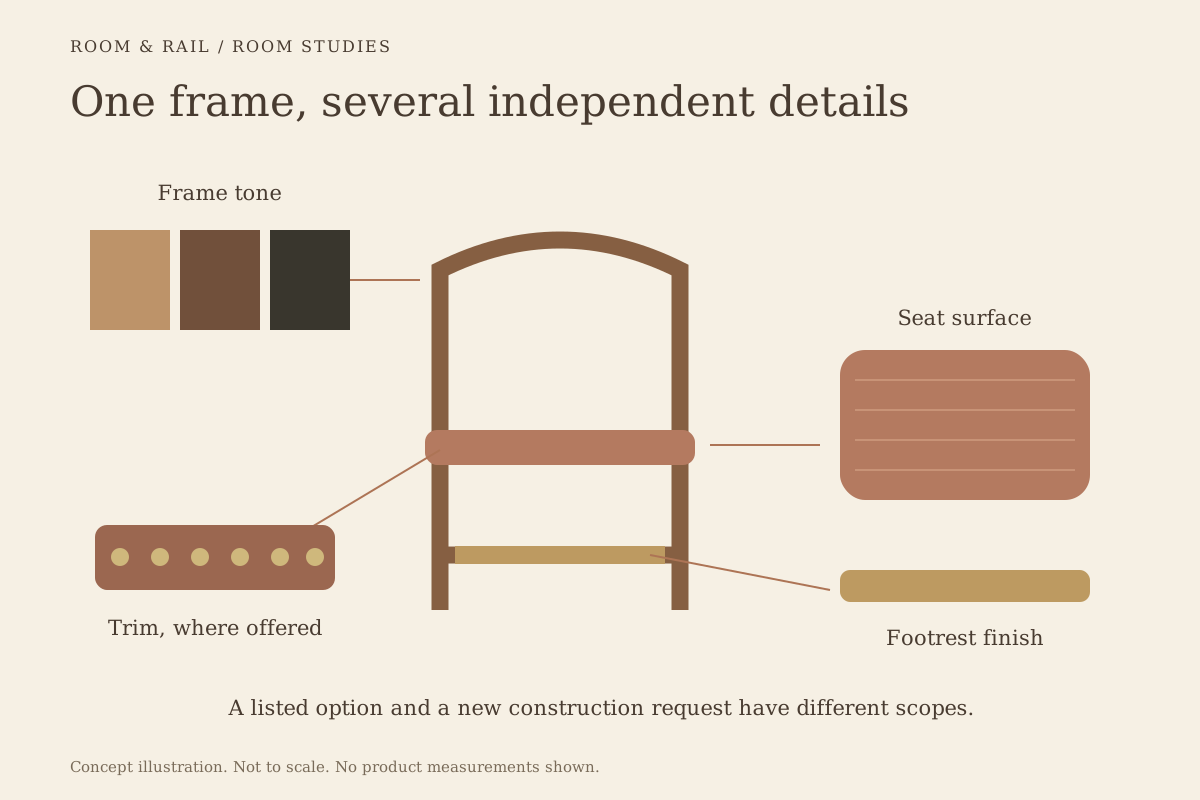
A custom-looking bar stool does not always require a new frame design. An existing model can change substantially through its wood finish, seat form, upholstery, footrest color, and trim. The first useful step is to separate the choices already offered from changes that need a specific feasibility review.
That distinction keeps the project grounded in a product that can actually be supplied. A mood image may suggest a direction, but it does not establish a new height, arm shape, or material combination. Build the selection around verified options, then make any additional request precise enough to evaluate.
Open diagram at full size (new tab) ↗
Begin with the counter and the guest position
Custom color cannot repair a poor fit at the counter. Measure the surface, underside obstructions, overhang, and intended stool position before spending time on upholstery. Include any wall or corner that changes how a person approaches the seat.
The stool-fit article explains why nominal height is only part of that relationship. Seat depth, arms, foot support, and forward reach can matter as much as the visible height difference. Choose the underlying model with those questions in view.
The arm-clearance guide is useful if the design brief calls for a more enclosed seat. A wider outside dimension does not disclose the opening between arms. Keep any missing interior measurement unresolved until the product evidence or sample supplies it.
Use an offered model as the starting specification
The FRU-US-225-BS stool provides a concrete example of configuration depth. Its reviewed controls offer eight named wood finishes, five seat-type choices, three footrest colors, and nail-trim selections where applicable. These are actual controls attached to one model, not a promise of unlimited alteration.
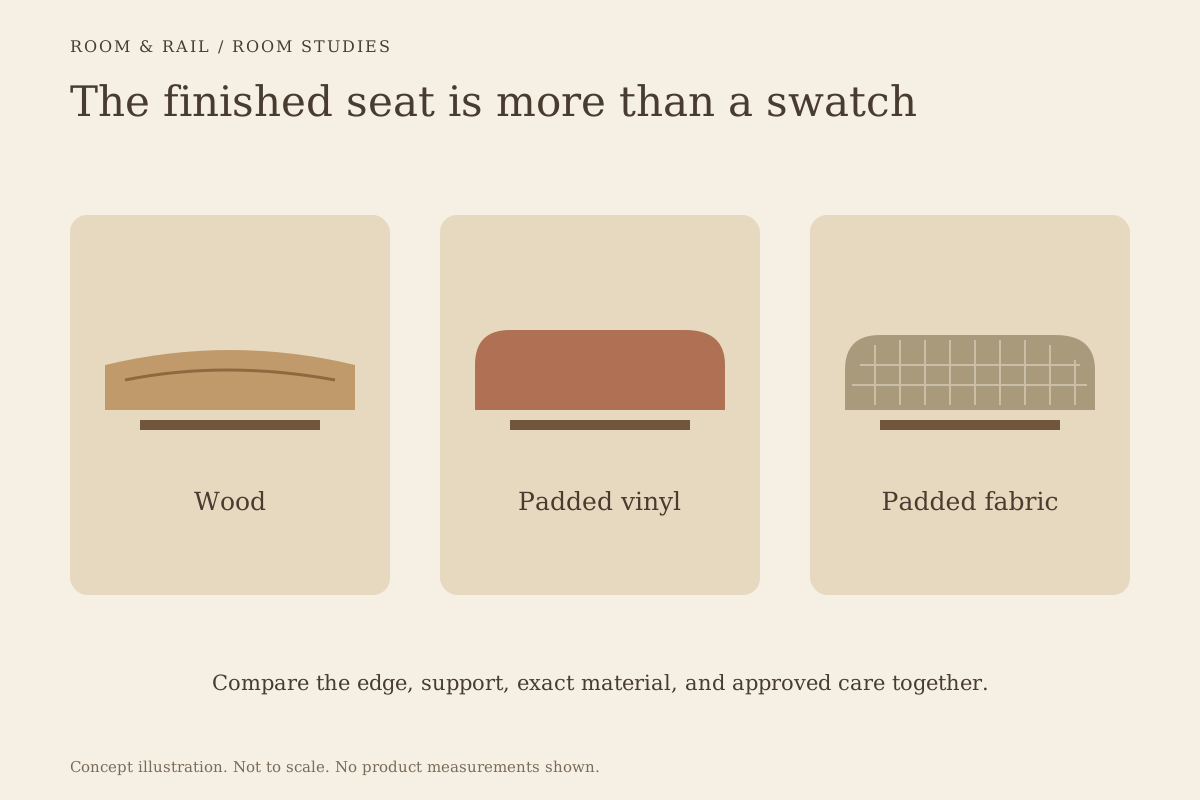
The wood finishes include Natural, Walnut, Dark Walnut, Mahogany, Dark Mahogany, Cherry, Distressed Walnut, and Black. Seat choices include wood, padded vinyl, padded fabric, and pullover padded versions. Selecting the exact form matters because the upholstered edge can change the stool's visual balance.
The seat-material guide helps compare those forms as finished components. A loose fabric image cannot tell the buyer how the selected seat edge, padding, and attachment will appear together. The sample brief should identify the actual configured seat.
Decide which detail should connect the stool to the room
A stool can relate to the counter through one repeated tone while introducing a different texture elsewhere. For example, a dark wood frame may connect to millwork, a plain seat may quiet the composition, and a contrasting footrest may repeat another small metal detail. These are design possibilities to test with samples.
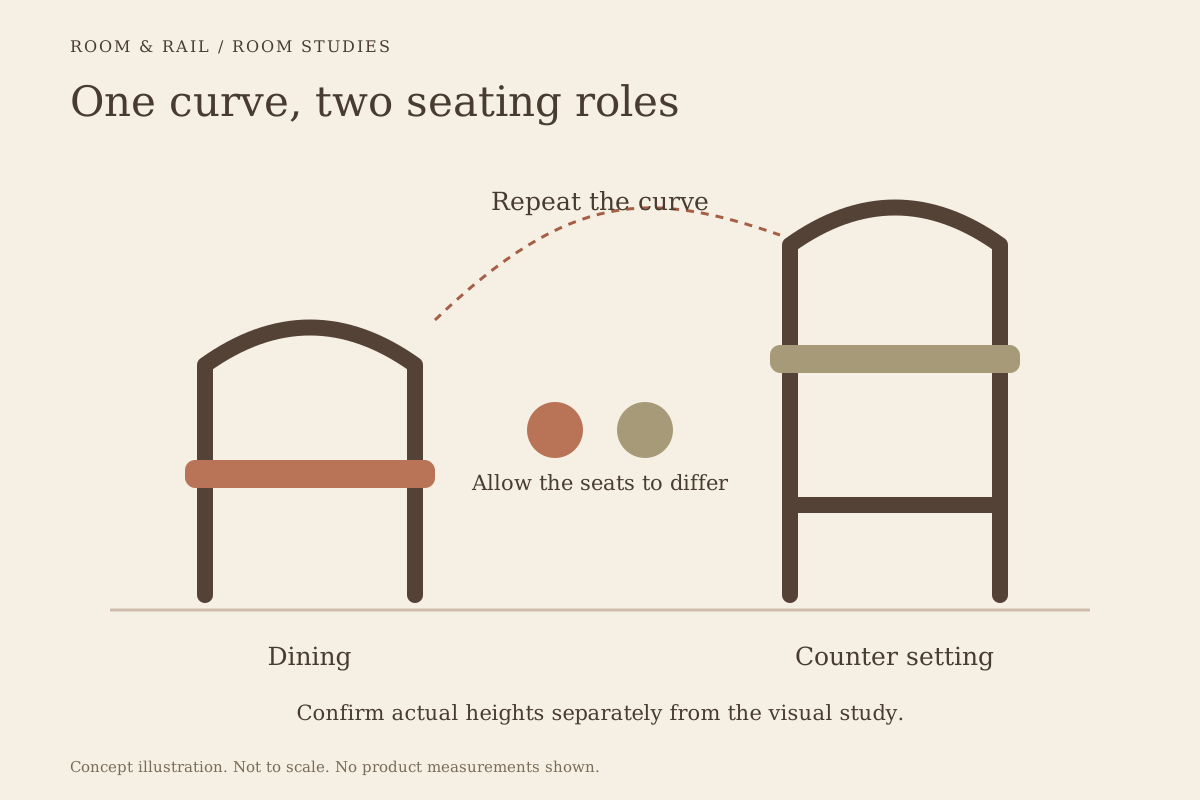
The chair-and-stool palette study offers a useful rule: choose a specific connection instead of trying to match every surface. If the dining chairs have a pronounced back pattern, the stool might share their seat color while using a calmer silhouette.
Review the whole row. A decorative nail trim that looks subtle on one seat can become a repeated dotted line along the bar. A bright footrest can form another horizontal rhythm near the floor. The sightline guide helps judge those details at room scale.
Keep trim choices attached to the compatible seat
The FRU-US-225-BS controls include a choice to add nail trim and six named trim finishes: French Natural, Gold, Silver, Pewter, Black Pewter, and Brass. Their presence in the configuration does not establish that every seat type accepts every trim arrangement.
Follow the available option dependencies and request clarification for a combination that the controls do not resolve. A product image may show trim on one upholstered version while another version has a different edge. The selected seat and trim should be reviewed as one assembly.
The footrest article adds another small finish that can interact with trim. Matching their names does not guarantee identical materials or appearance. Compare actual references if the room depends on those metal-looking details reading together.
Treat a request outside the controls as a new question
A different seat height, altered arm, customer-supplied fabric, or exact stain match needs explicit confirmation. None should be presented as available simply because a product allows standard finish selection. The proposed change may affect construction, fit, care, price, or the applicable product documentation.
The published FRU-US-225-BS description mentions custom finishes upon request. That supports asking about a finish outside the listed range, but it does not establish that a particular sample can be matched, what quantity is required, or when it can be supplied. Those terms remain specific to the request.
The buying guide can separate a confirmed catalog configuration from an additional request awaiting review. The basket should identify what has actually been selected, while the written note describes the unanswered change. That avoids an order instruction that appears settled when it is not.
Build the sample review around decisions
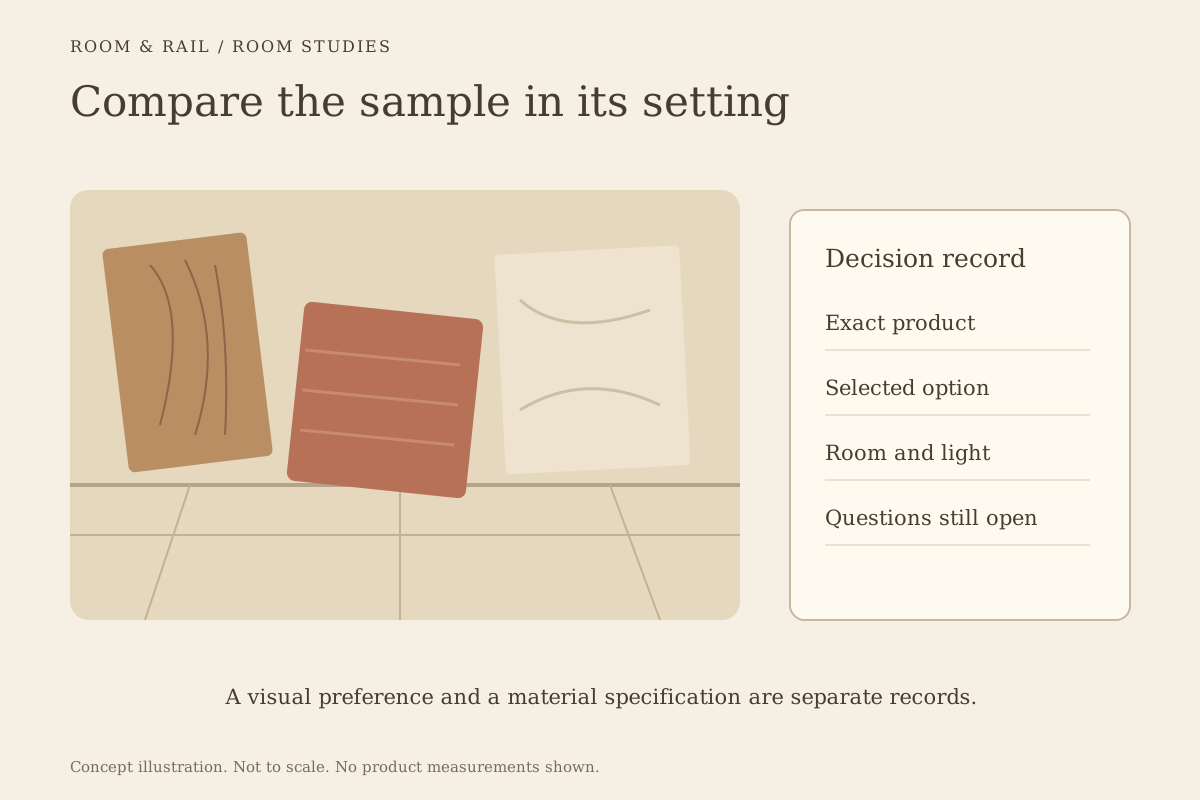
A useful sample brief names the model, frame finish, seat form, upholstery reference, footrest, trim, and the question each sample is intended to answer. It might compare two seat colors against a fixed counter material or examine whether the pullover edge feels too broad beside the table line.
The finish-sample guide recommends reviewing references in the actual room. Include the intended lighting and adjacent materials. A screen image can organize the choices, but it should not become a promise of a physical color match.
Keep appearance and fit separate during approval. A sample can be accepted for color while a dimension remains unresolved. Conversely, a suitable frame can still need another upholstery choice. Combining those decisions into one vague approved label makes later communication harder.
Check the selected stool through the normal service task
If the sample is available as a complete stool, review its ordinary use beside the intended counter. Include sitting, reaching the meal setting, turning where applicable, and leaving the seat. Use the fixed-versus-swivel comparison when movement is part of the choice.
Do not treat the sample session as a laboratory test or a guarantee that every guest will respond identically. Its value is in the specific observations and unanswered questions it produces. The approved configuration should remain tied to the same frame and seat version reviewed.
Preserve the approval as a specific configuration
Save the confirmed selection in the finish board, including the room group and quantity. Keep any supplier-approved custom finish reference or written exception alongside the original options. A later order should be able to identify the result without relying on the phrase same as the sample.
Before submitting the order, compare the selected controls with the approval record and current price. Changes to the frame, upholstery, or trim can affect the configuration. A previous sample approval should not silently authorize a different combination because its photograph looks similar.
Make the distinctive result repeatable
The most convincing customized stool is one whose appearance belongs to the room and whose specification can be communicated clearly. Standard options may provide all the variation needed; a further request may be worthwhile when it answers a real design or fit problem.
Either route benefits from a precise starting model and a review that separates confirmed choices from open questions. That gives the room an individual character without making promises the product record cannot support, and it leaves a useful specification for future additions or replacements.