The room journal
Wood, vinyl, or fabric bar-stool seats: compare the finished surface
A bar-stool seat is a visible patch of material repeated along the counter, but it is also where clothing, food, drink, and cleaning routines meet the furniture. Wood, vinyl, and fabric can each create a different surface and edge. Selecting among them requires more than deciding which small color sample looks best.
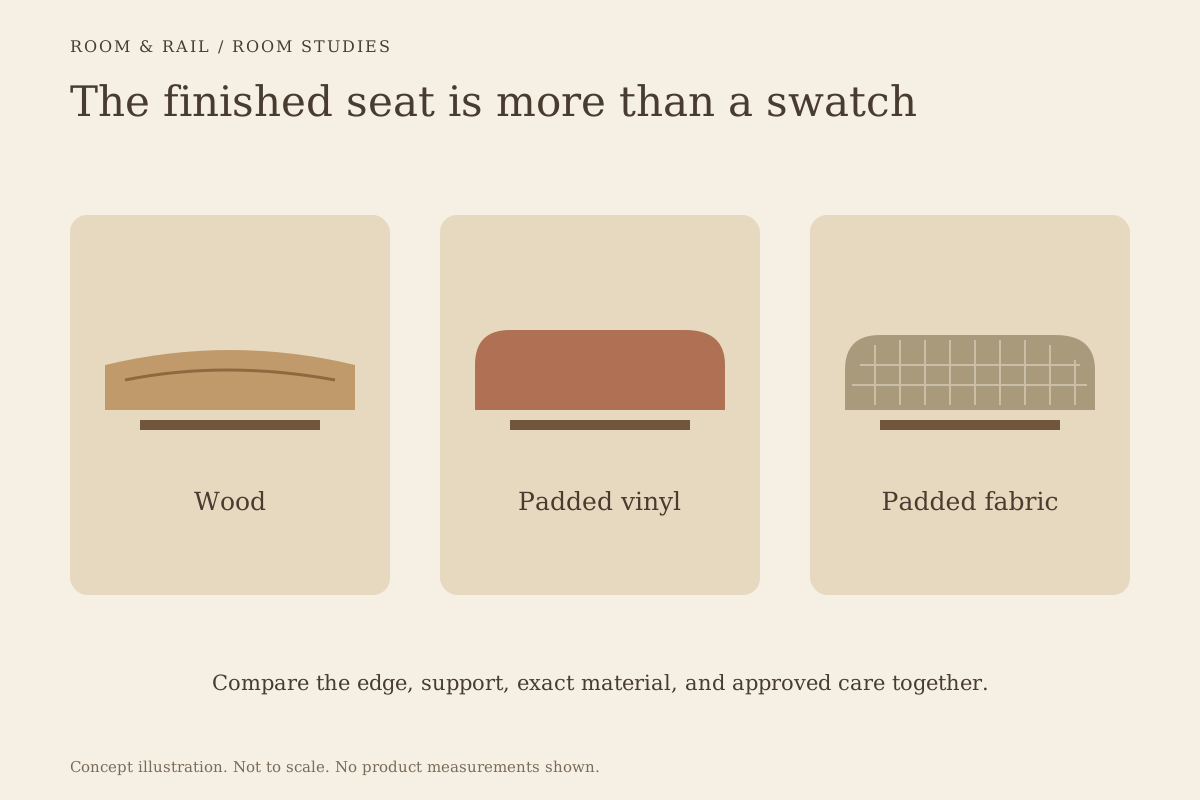
Begin with the exact seat options available on the chosen model. Then compare the finished seat, approved care, material evidence, and later service questions. Broad labels help organize the choice, but they do not establish that every vinyl cleans the same way or that every fabric has the same construction and performance.
Open diagram at full size (new tab) ↗
Keep the seat choice attached to the frame
The FRU-110-BS stool offers Wood Seat, Padded Vinyl Seat, and Padded Fabric Seat choices. That makes it possible to compare different seat surfaces within one model configuration. It does not establish that an arbitrary upholstery material or later replacement seat is approved for the frame.
The FRU-US-225-BS wood stool offers those broad choices and additional pullover padded versions. Seat form is therefore another variable besides material. A padded cover that changes the edge profile can alter the appearance even when the frame finish remains identical.
Use the bar-stool selection guide to retain the full configuration. The seat sample should represent the actual option being considered, including its construction and edge treatment, rather than a loose material swatch presented as the complete seating experience.
Compare the visual area and edge
A wood seat can continue the visible grain and tone of nearby millwork or contrast with a metal frame. Its edge may read as a thin horizontal line or a more substantial layer, depending on the actual shape. The finish name does not, by itself, identify the wood species or internal construction.
Padding introduces a different profile and can make the seat color more prominent from across the room. A fabric texture may register as a fine pattern; a plain vinyl can create a quieter field. These are visual possibilities to review in the room, not universal claims about the appearance of every material.
The table-edge study adds the line immediately beside the seat. A broad padded edge and a thick counter edge can create a different balance from a slim wood seat beneath the same surface. Compare the combination from standing and seated viewpoints.
Read material documentation before interpreting ratings
For upholstery, request the exact material identity and the relevant performance and care information. A color name alone is not enough to match a test result or cleaning instruction. The documentation should correspond to the selected material, not simply another fabric in the same broad collection.
The Association for Contract Textiles cautions that higher abrasion numbers do not necessarily predict longer service life. Doubling a laboratory abrasion result does not establish double the useful life of the finished seat. The test method and other material properties remain part of the review.
Keep that distinction in your purchasing record and read the materials guide when reviewing the surface description. A buying comparison can list the supplied test information without converting it into a promise of years in service. It should also avoid comparing unlike test methods as though the numbers were a single scale.
Match care to the restaurant's actual routine
List the cleaning and disinfection products the restaurant intends to use, then obtain compatibility guidance for the selected seat material. A Vinyl label is not permission to use every chemical, and a stain-resistant description is not an instruction for handling every spill.
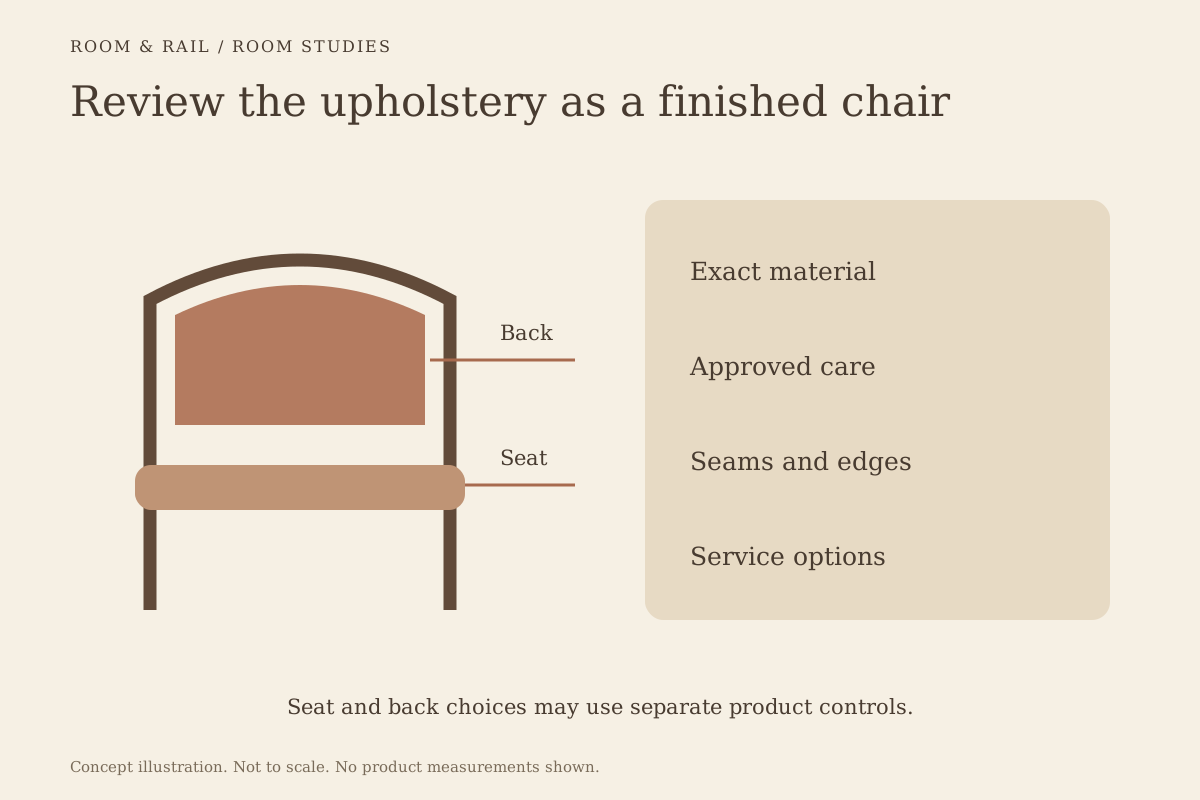
The upholstered-chair guide explains why the finished assembly matters as well as the surface. Seams, piping, and the junction between back and seat can change cleaning access. A smooth-looking material may still be fitted around details that need a careful routine.
Wood also needs coating-specific instructions. Do not apply a method intended for an unfinished tabletop to a finished stool seat without approval. The adjacent frame, fasteners, and upholstery may require different treatment, especially where a cleaner can reach more than one material at once.
Review contact with the completed seat
A material swatch does not disclose the foam, shaping, or support beneath it. Two seats upholstered in the same vinyl can feel different because their construction differs. Likewise, two wood seats can have different contours and front edges despite sharing a finish color.
The stool-fit article considers the whole seating relationship. Review ordinary use beside the intended counter, including the reach to food and the position of the feet. Do not assume that adding padding resolves a height, depth, or footrest problem.
If reviewers disagree, keep the differences visible. One person may prefer the firm contour of a particular wood seat, while another prefers the padded version. Those observations help the restaurant choose a mix or refine the brief; they do not justify calling one material universally comfortable.
Think about food service without oversimplifying the choice
A drinks-only position and a place used for complete meals can expose the seat to different routines and table settings. The bar meal-spacing guide considers the dining station, while the material review considers what happens when food or drink reaches the furniture.
Ask how the actual finish should be cleaned after the types of spills the restaurant expects. Do not stage an improvised stain test with unapproved substances on a purchased sample. If a formal material comparison is needed, agree on the method and permitted treatments with the supplier first.
Also consider the appearance of the seat after ordinary cleaning. A textured surface, contrasting piping, or a light color can place different demands on the visual standard the restaurant wants to maintain. That is a design and operations discussion, not proof that a dark material is automatically more durable.
Include repair and future replacement questions
A seat available as a new-product option may or may not be available later as an approved replacement. Ask about the actual part and attachment before treating future replacement as a guaranteed advantage. Keep the original option reference so the request can be specific.
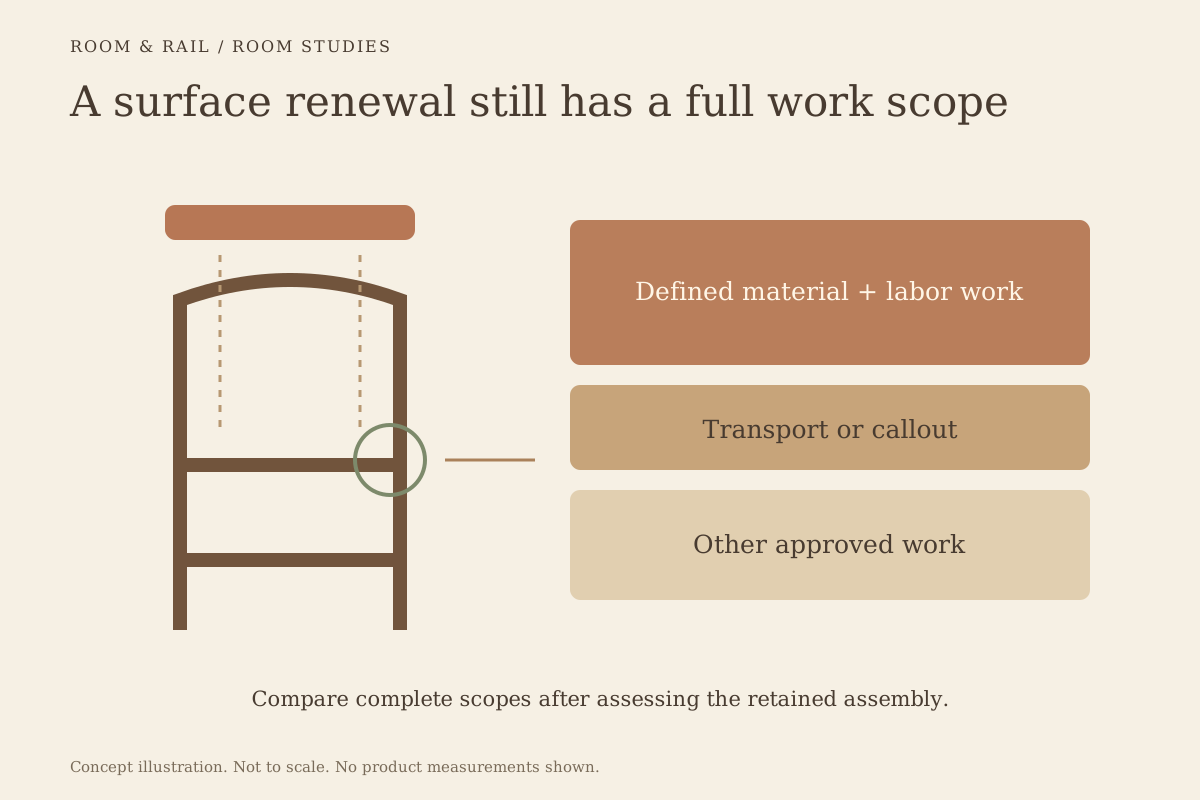
The replacement-seat article separates a compatible component from a general upholstery choice. The stool reupholstery guide then compares the complete work with replacement furniture, including frame condition and the scope of labor.
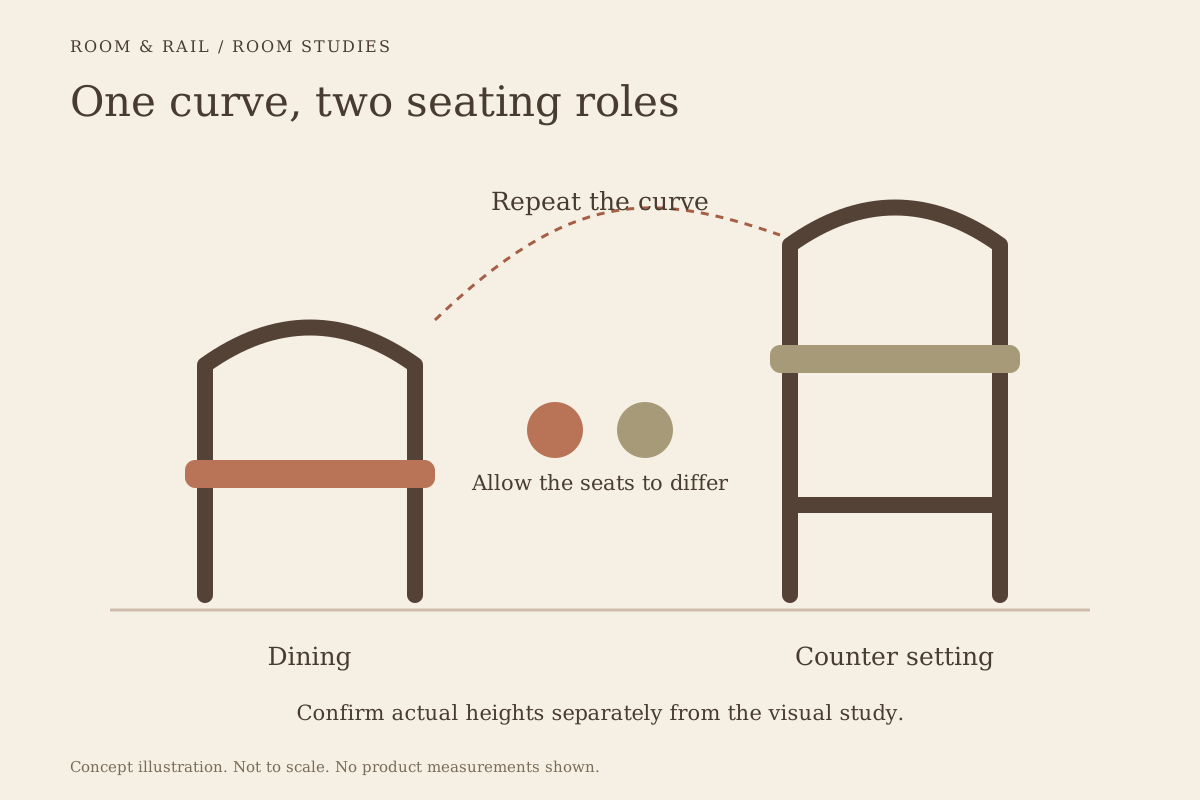
If future supply changes, a deliberate update to a defined group can look more coherent than several near-matches. The chair-and-stool palette guide provides ways to keep a visual connection while allowing an honest change in material or color.
Make the surface decision with the whole seat present
Save the exact material and seat form in the finish board, alongside the frame and room group. Retain approved care and supporting documentation with the product record. The visual selection should remain connected to the actual component that will be supplied.
Wood, vinyl, and fabric are useful starting categories, but the finished seat is the object the guest encounters. Its shape, edge, construction, care requirements, and relationship to the counter determine the real comparison. Choosing at that level produces a clearer result than selecting a material name and assuming the rest follows.