The room journal
Patio umbrella placement: shade the setting, resolve the support
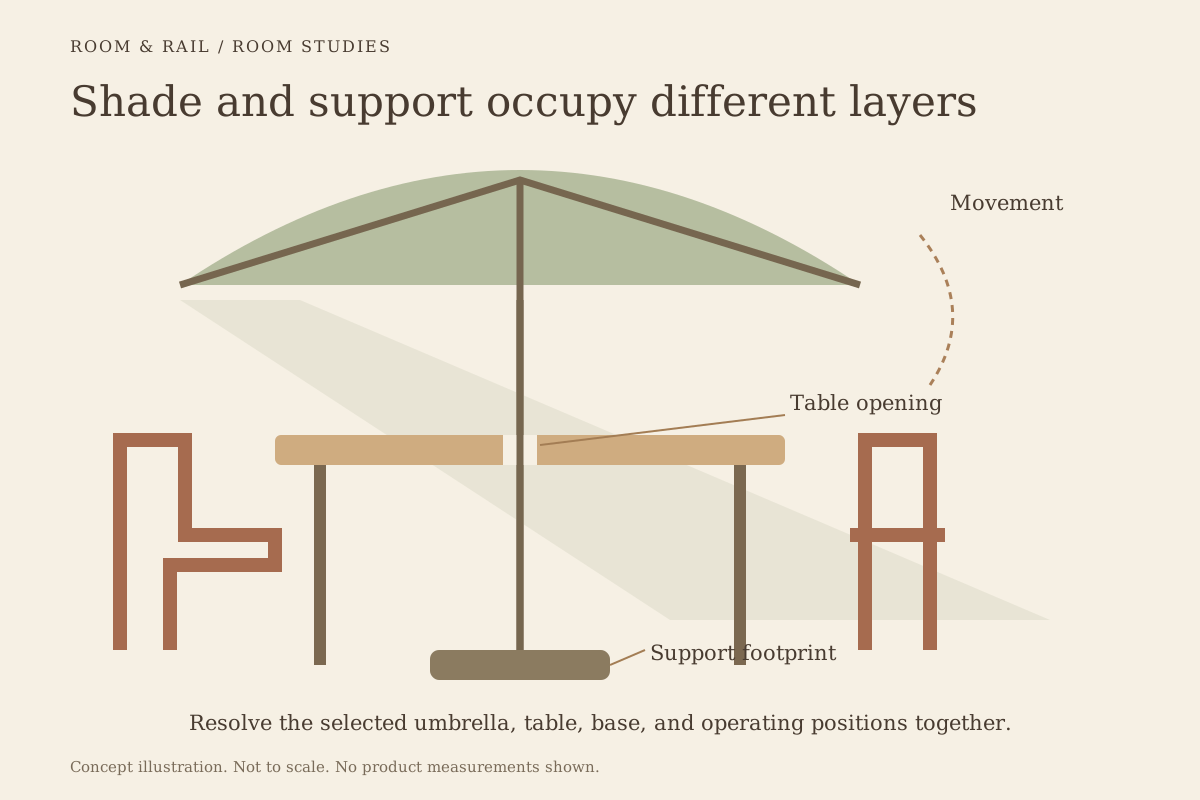
An umbrella does more than occupy the center of a patio table. Its canopy creates a moving shadow, its mast and support take up physical space, and its operating limits affect when the setting can be used. A good placement plan considers all three relationships before the furniture order is finalized.
Begin with the seats that need shade during the restaurant's actual service hours. Then select an approved umbrella and support arrangement that fits the table, paving, circulation, and site exposure. A hole in a tabletop is useful information, but it is not the complete shade system.
Open diagram at full size (new tab) ↗
Follow the shadow to the occupied positions
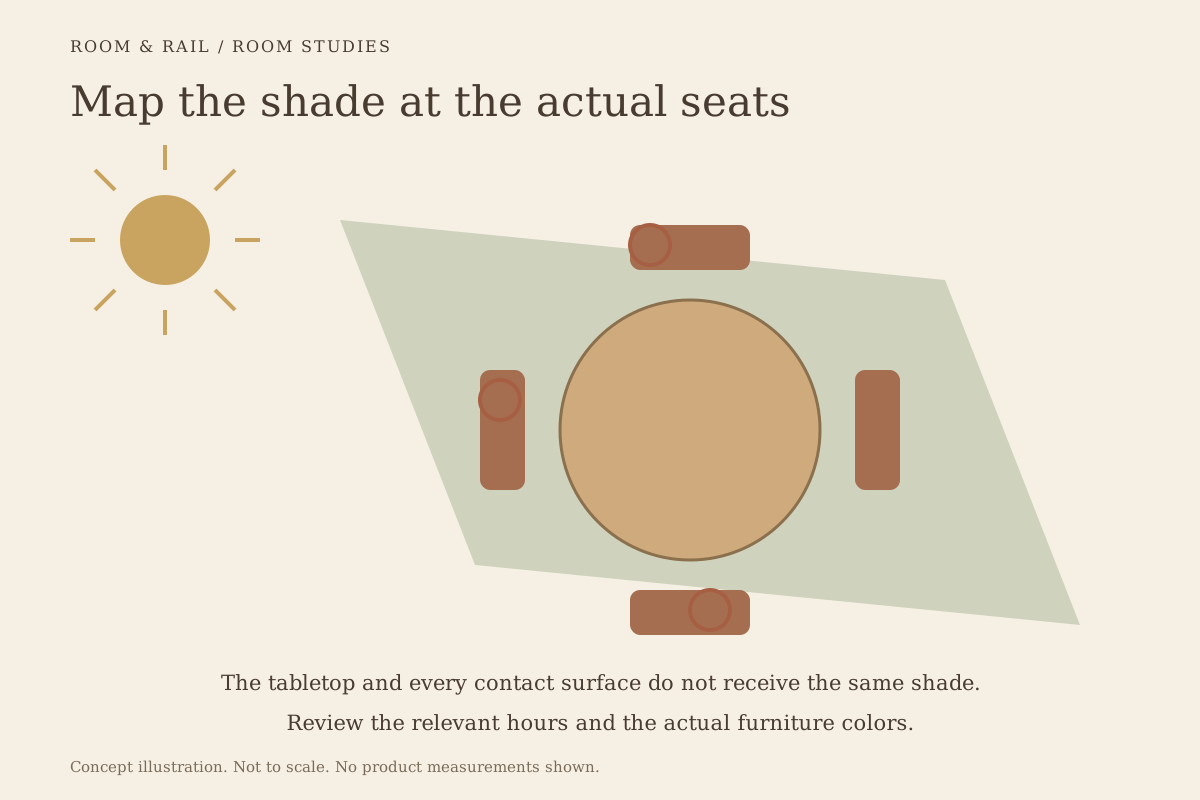
The shadow does not remain directly beneath the canopy throughout the day. Sun direction and height change the area covered, while buildings and other objects can add or remove shade. The same table may have one shaded chair and another in direct sun.
The direct-sun guide helps identify the contact surfaces and service periods that matter. Mark the seated positions, table surface, and approach on the plan, then review them at the relevant times.
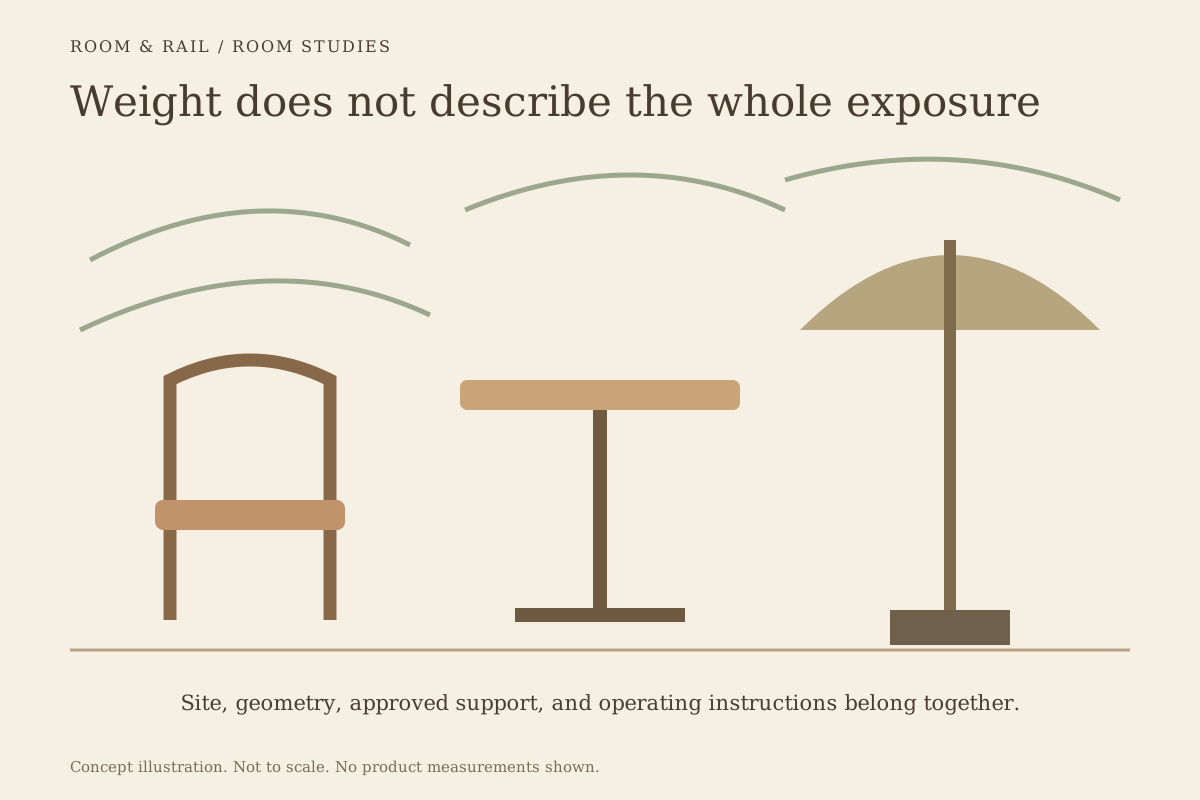
Do not judge coverage from the canopy diameter alone. A larger canopy may affect more of the room, but its suitability also depends on the actual support, site, and operating conditions.
Separate table compatibility from umbrella support
The Ella dining table set FRU-ELLA-TT-SET-BL-30H lists an aluminum top, steel base, patio use, a 30-inch table height, and an umbrella hole. Its base choices include versions with and without an umbrella holder pole.
That option distinction matters. The presence of a hole does not establish that every selected base configuration provides the same support arrangement. The exact top, base, holder, and umbrella need to be reviewed as the intended combination.
Use the complete table guide to keep the assembly together. Do not assume an umbrella is included unless the selected selling unit explicitly says so, and do not infer compatibility from a product photograph alone.
Include the mast and base in the dining setting
A center mast occupies part of the tabletop and can affect shared dishes, condiments, or conversation across the table. The base may occupy foot space below. An offset arrangement changes those relationships but introduces its own support footprint and canopy geometry.
The base-footroom article is useful when reviewing the support beneath a table. Place the actual chairs around the full base outline and include the positions people use while entering or leaving.
The small-patio guide shows why these components should be drawn before the room is filled with tables. A support added late can consume the only convenient route between settings.
Review opening and closing space
The canopy and operating mechanism may need space beyond their final open outline. Adjacent lights, trees, walls, heaters, or other umbrellas can interfere with the movement. The product instructions should define the required operating process and clearances.
Review that process with the actual furniture positions. Staff should be able to operate the umbrella as instructed without moving through occupied settings in an improvised way or reaching across a meal.
If the arrangement changes between services, keep both positions on the plan. A canopy that opens easily in an empty patio may meet a relocated table or partition in the alternative layout.
Keep wind requirements specific to the selected unit
Umbrellas have product-specific mounting and operating limits. The wind-planning article explains why a threshold from one manufacturer's model cannot be applied to a different umbrella.
Obtain the current instructions for the actual product and support. Coordinate any required attachment or site work with the appropriate professional. Do not add improvised ballast or tie the mast to a nearby railing as a substitute for an approved arrangement.
The restaurant also needs a practical response when the umbrella cannot remain open. That response should account for guests, furniture, and the remaining shade available at the patio, rather than focusing only on closing the canopy.
Consider the lower table and bar-height version separately
The Ella bar-height table set lists a 42-inch height with an aluminum top and steel base, while the dining version lists 30 inches. Both have umbrella-related options, but their occupied settings are different.
A taller tabletop changes the relationship to the mast, canopy, seated eye level, and underside support. Do not assume that the same umbrella configuration is appropriate merely because the top finish and shape match.
Review the selected patio stools or chairs with the exact assembly. The room's visual continuity can remain intact while the technical pairing differs by setting.
Choose canopy color as part of the room's light
The canopy becomes a large overhead surface. Its color and underside appearance can influence the way the dining group feels, especially when several umbrellas repeat across the patio. Review it with the furniture and building rather than as a small isolated swatch.
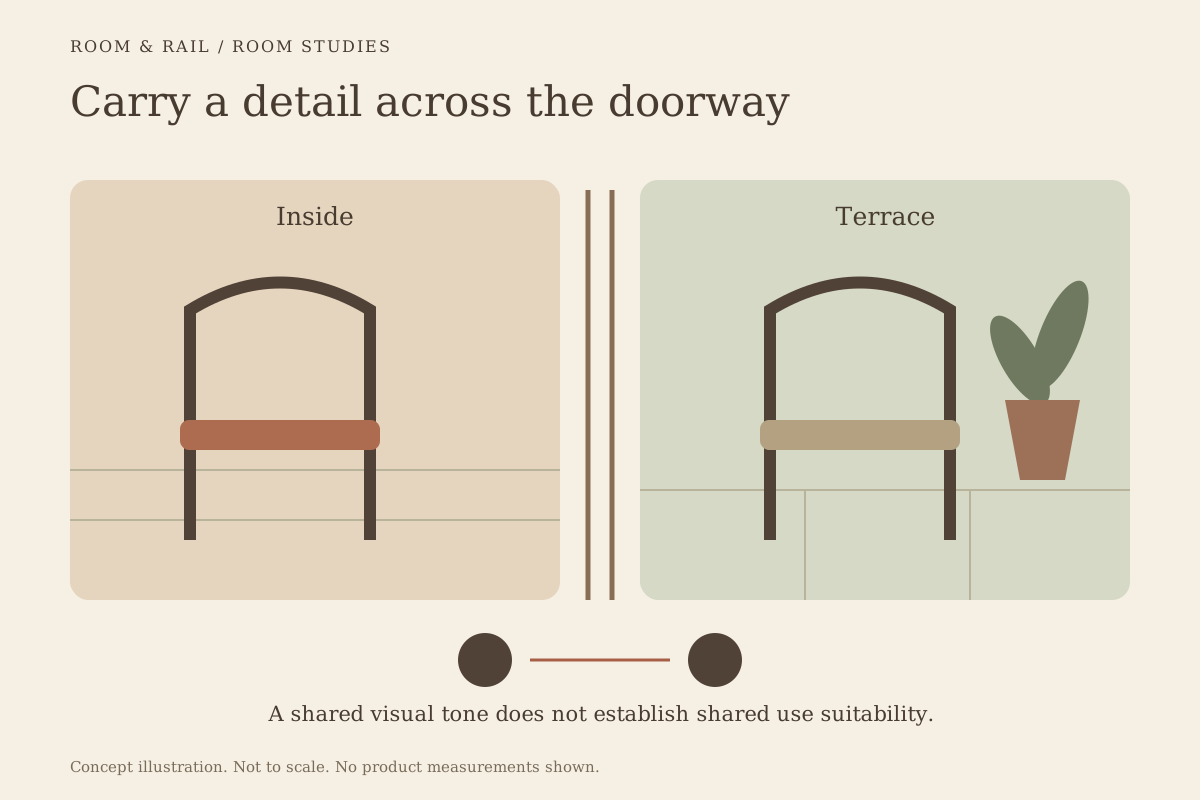
The outdoor palette guide helps decide which tone should connect to the interior. A canopy can carry a quiet background color while chair seats introduce an accent, or it can become the main visible field above simpler furniture.
Color selection does not establish UV protection or thermal performance. Any such claim needs the actual fabric and product documentation. Keep visual approval separate from the technical shade specification.
Plan care, storage, and replacement access
The canopy, mast, mechanism, and base may have different care instructions. Identify how the unit is closed, secured, inspected, and stored under the manufacturer's guidance. If it includes electrical features, those require their own documented installation and service plan.
Use the seasonal budget guide when accounting for the recurring work in your own budget. The purchase should fit the restaurant's ability to operate and maintain the shade equipment throughout the service period.
Keep the selected umbrella and table arrangement in the same room group on the finish board. Preserve the exact model and support identity so that a later canopy or base replacement does not rely on visual similarity.
Shade the dining experience, not only the table center
A well-planned umbrella arrangement supports the occupied seats at useful times, leaves room for the meal and movement, and uses an approved support system. Its operation and weather response are understood before guests arrive.
Review those relationships together before choosing the final size and position. The patio can then gain a coherent overhead layer and useful shade without making promises that a canopy dimension or tabletop hole cannot support on its own.