The room journal
Restaurant patio furniture in wind: weight is one part of the plan
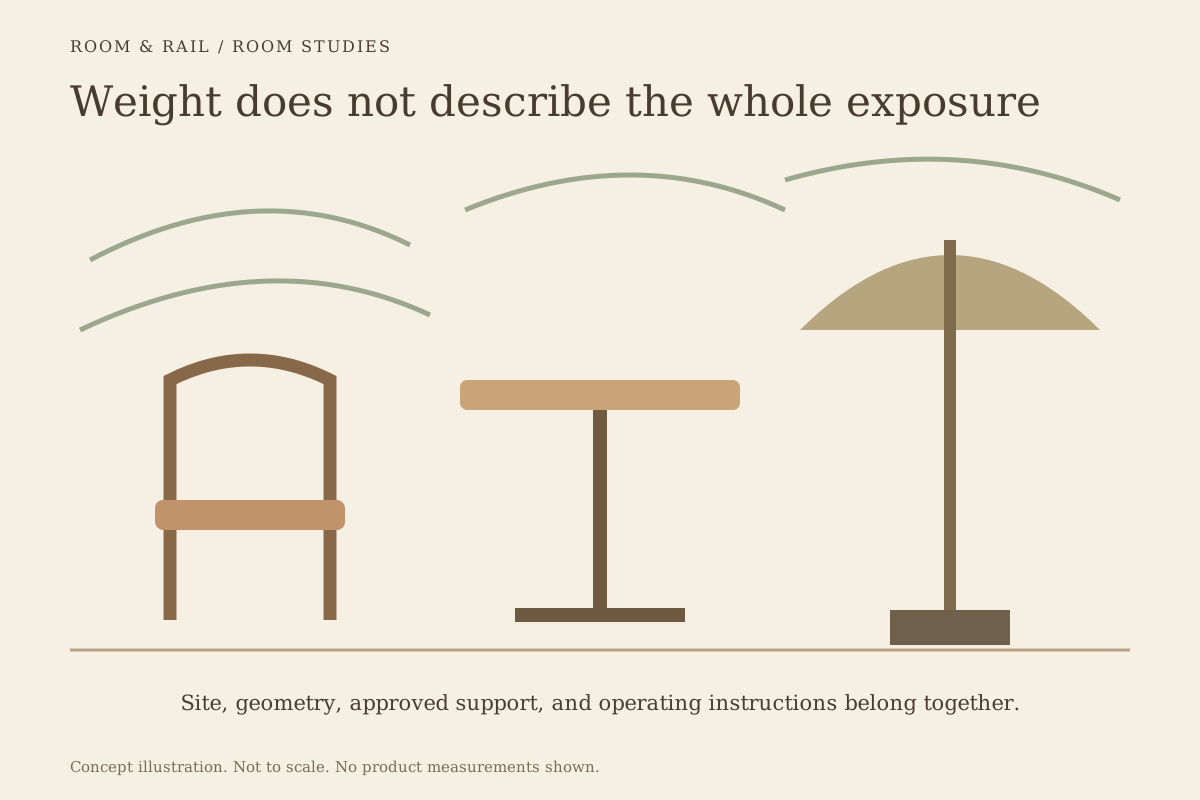
Furniture weight matters on an exposed patio, but it does not provide a complete wind plan. Shape, height, surface area, placement, umbrellas, and the site's exposure all affect the arrangement. A heavy chair and a large open canopy are different objects with different operating requirements.
Treat wind as a site and assembly question before choosing furniture. The purchasing brief should identify exposed zones and the process for changing or closing the patio when conditions require it. Do not convert a product's weight or weight-capacity figure into a wind rating.
Open diagram at full size (new tab) ↗
Describe the exposure at the actual location
A sheltered courtyard, open waterfront terrace, and rooftop can experience different conditions. Even within one patio, a corner or gap between buildings may feel different from an area behind a solid wall. The furniture should be reviewed for its actual placement.
The outdoor specification guide helps define that location before product selection. For an exposed or elevated site, obtain the appropriate professional assessment of the furniture and shade arrangement rather than relying on a general material recommendation.
Keep the plan connected to the building and site. A layout that works visually may still require a different support, storage, or operating strategy because of its exposure.
Separate furniture weight from load capacity
The aluminum faux-teak chair FRU-402-ECO is listed at 5 pounds. The Ella steel armchair is listed at 19 pounds. These are individual product weights for different chair designs.
The difference does not establish a safe wind threshold for either product. Nor does a listed occupant weight capacity describe resistance to overturning or movement in wind. Those fields answer different questions.
The chair weight-capacity article explains why a rating needs its own context. Keep each product claim within that context when comparing patio furniture rather than using whichever number appears most reassuring.
Look at the shape above the footprint
A broad back, tall stool, solid tabletop, and open mesh form present different geometries. Weight is only one part of their relationship to movement. The position of the mass and the footprint also belong to the complete design.
Do not rank two chairs for wind performance from their photographs. Use the supplier's product information and the site's professional review where needed. An open-looking back does not establish tested wind performance.
The patio material comparison helps distinguish construction from appearance. Aluminum, steel, and resin labels should not be treated as automatic wind categories.
Give umbrellas their own approval and operating plan
An umbrella needs its specified support, mounting arrangement, and operating instructions. The canopy size, mast, base, and any table connection must work as the intended system. A table hole is only one visible feature.
TUUCI's published instructions for a named automated cantilever model, for example, include closing and tie-back steps and a model-specific wind condition. That illustrates why the actual product instructions matter; the threshold and procedure should not be transferred to a different umbrella.
Obtain the current instructions for the selected unit and make the required actions practical for staff. The plan should address who monitors conditions, who is trained to operate the equipment, and where people can move when the patio needs to close.
Do not improvise ballast or attachments
Adding a heavy object to a base or tying furniture to a convenient railing can create a new assembly that the manufacturer has not approved. The added object may also interfere with foot space, circulation, or the structure it is attached to.
Use the specified mounting and support method, coordinated with the appropriate site professional. If the available system cannot suit the location, choose a different arrangement instead of treating improvised weight as a complete remedy.
The outdoor table-stability guide separates ordinary floor contact from wider assembly questions. A table that does not rock on the paving has not thereby been approved for an umbrella or use in exposed wind conditions.
Keep partitions and loose accessories in the same review
Patio partitions, planters, signs, cushions, and tabletop items can affect how the space operates when conditions change. A furniture-only list can overlook objects that staff must remove or secure under their own instructions.
Review the entire occupied setting and the stored arrangement. A decorative screen may create a visual boundary, but it should not be assumed to provide an engineered windbreak or a suitable anchoring point for other equipment.
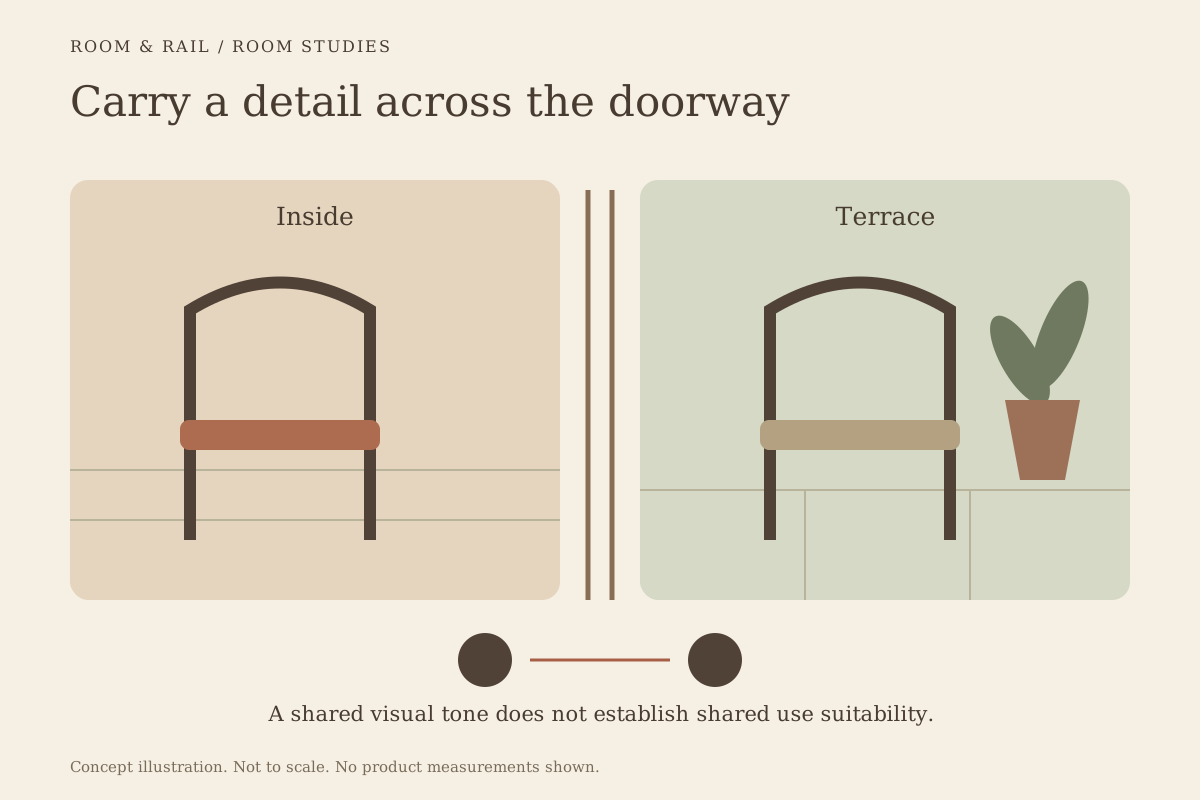
The room-boundary article offers a useful design distinction: a visual divider has a room role, while structural and installation requirements need separate evidence.
Plan the changeover before the weather arrives
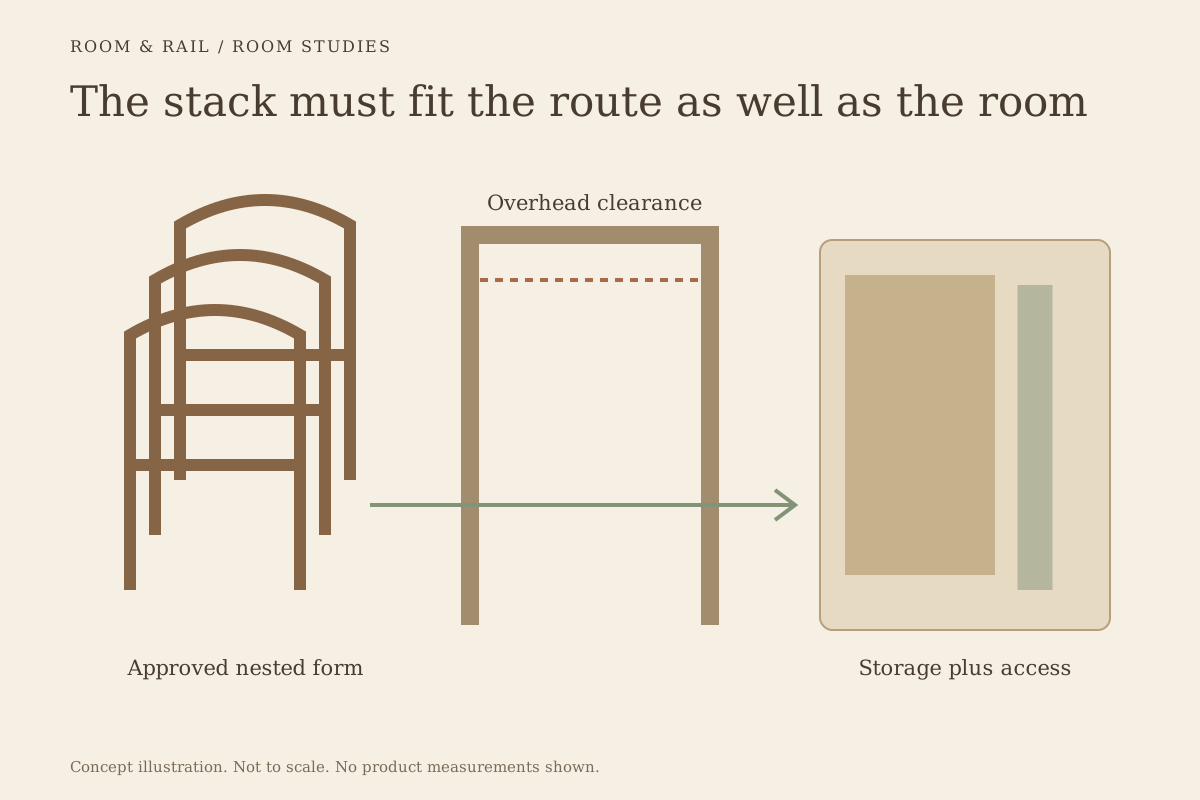
If furniture needs to be moved or stored, the route and destination should already be known. Staff should not have to decide where a stack, folded table, or cushion collection can go while the patio is occupied and conditions are worsening.
The stackable-storage guide connects approved stacks, handling, and storage space. Keep the weather response consistent with those limits rather than making larger stacks to clear the patio faster.
Use the seasonal operating budget guide to account for the time and staffing in your own budget. A product choice that requires frequent movement should be compared through that recurring work as well as its purchase price.
Preserve a useful patio when shade is unavailable
A patio that depends entirely on open umbrellas may have a different usable arrangement when the umbrellas must be closed. Consider which seats remain appropriate under the site's operating plan and how guests are redirected if the area cannot be used.
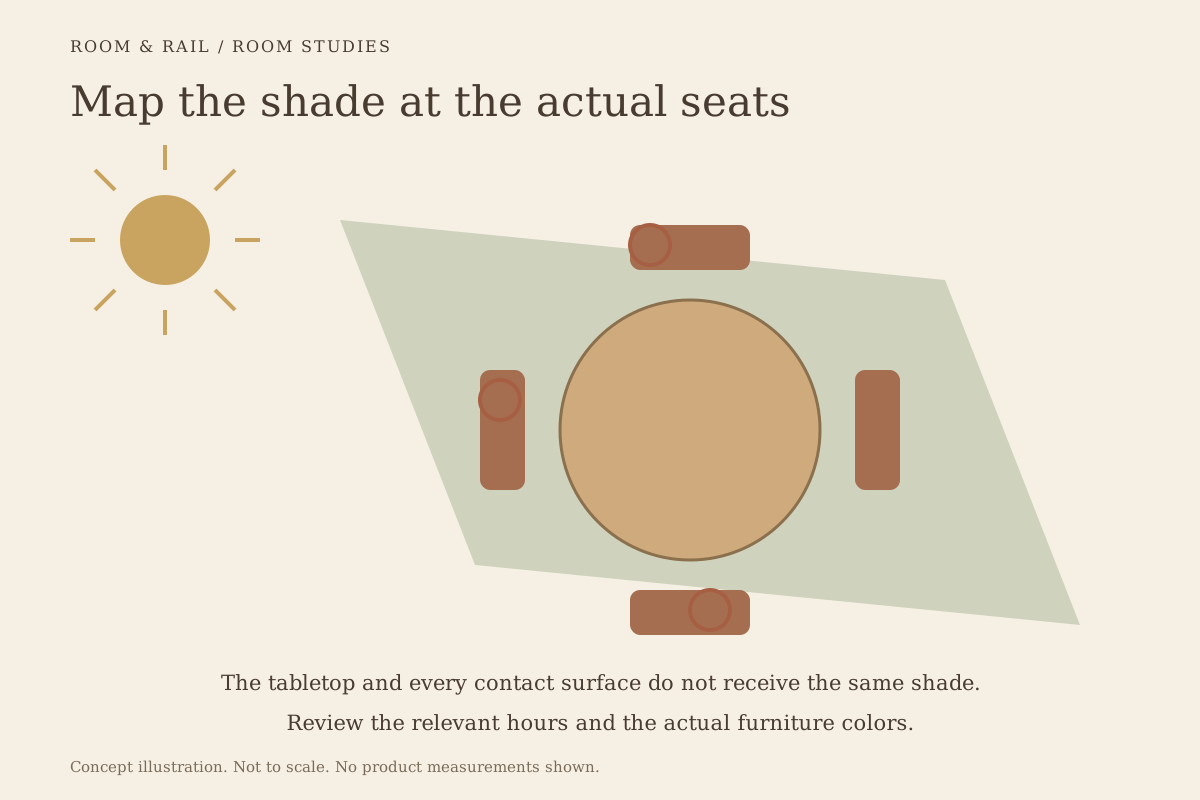
The direct-sun guide explains why shade and surface comfort are connected. The wind response should therefore be coordinated with the heat and sun plan, rather than treated as a separate furniture adjustment.
Select the system the site can operate
A sound wind-related purchasing decision uses the actual site, product assemblies, approved supports, and a practical response plan. It does not promise that a heavier furniture label will make every exposed location usable in every condition.
Keep the selected chairs, tables, and shade equipment identified in the project record. With the limits and procedures resolved before opening, staff can operate the patio deliberately, and the furniture can serve the room within its intended use.