The room journal
Repair or replace a booth: separate the cover from the construction
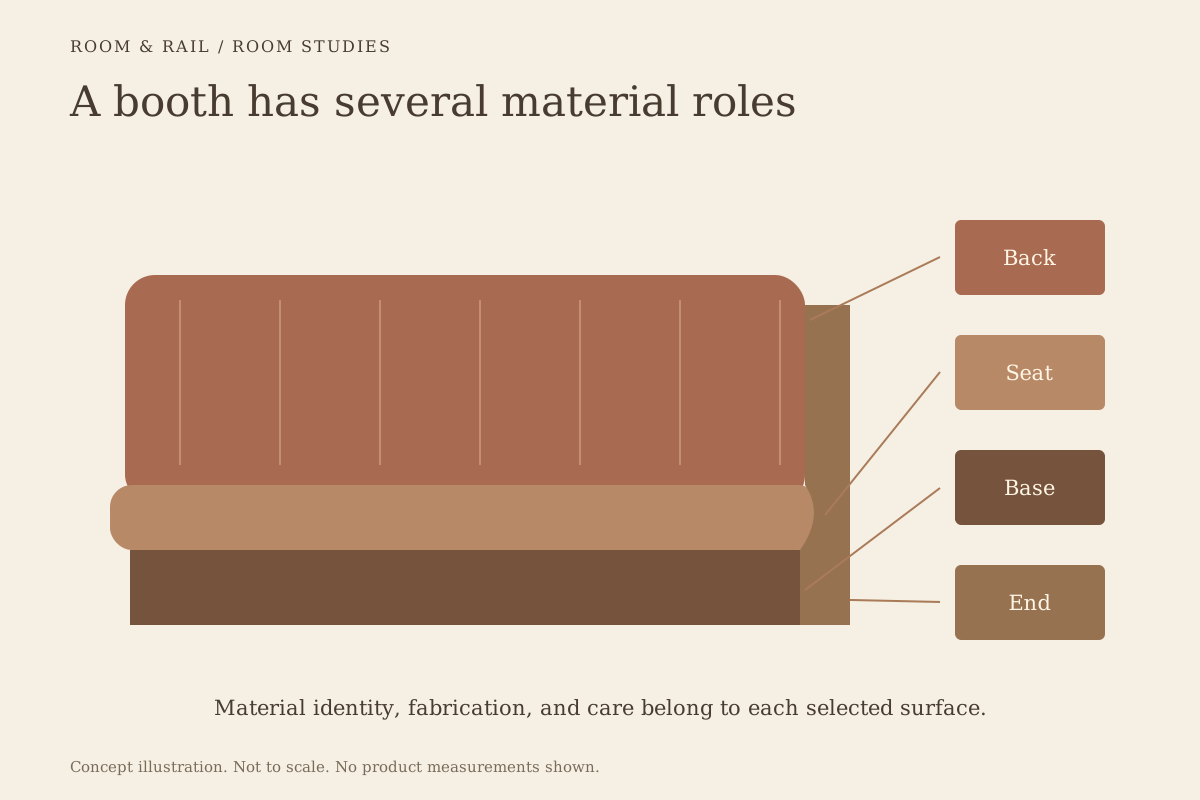
A worn booth does not always need complete replacement, and a fresh cover does not always solve the problem. The useful first step is to separate visible upholstery wear from the condition of the seat support, back, frame, base, and attachments. Each can require a different kind of work.
That separation makes the design and cost comparison more honest. A booth with sound construction and a dated surface presents a different project from one with movement, damaged support, or a poor fit at the table. Decide what should be retained before choosing a new material.

Open diagram at full size (new tab) ↗
Describe the symptom before naming the cause
A split seam, flattened cushion, loose panel, peeling surface, and moving frame are different observations. Photograph the whole booth and the affected area, then note where the issue appears and whether it occurs on one section or across the room.
Avoid diagnosing a material from its appearance alone. ACT's guidance on polyurethane hydrolysis explains that chemical damage can resemble coating deterioration from heat and humidity. A peeling surface therefore does not, by itself, establish the cause or the identity of the material.
The upholstery-material guide explains why the original material code and care history matter. A competent furniture or upholstery specialist can assess the physical assembly and identify the work needed before a repair scope is priced.
Separate the cover from what supports it
The visible upholstery may conceal foam, a seat panel, a suspension system, or other construction. A new cover placed over a damaged support does not restore that support. Likewise, a sound seat may need only a defined upholstery intervention rather than a complete booth replacement.
The inspection should address the back, frame, base, joints, and attachments as well as the surface. If the booth moves unexpectedly or has damaged structural parts, keep it out of customer use until assessed and repaired appropriately. The upholstery decision can follow that assessment.
Compare the findings with the booth selection guide. The retained piece should still satisfy the restaurant's current needs, rather than being kept solely because part of it appears reusable.
Determine how the upholstered parts are attached
A removable seat panel can create a different repair route from upholstery fixed across the whole booth. Back panels, caps, corners, and exposed ends may require separate work. Access can depend on how the booth was installed and whether adjacent pieces must be moved.
Do not assume that an option listed for a new booth is sold as a replacement component for an older one. The plain-back booth identifies a padded vinyl seat and fabric or vinyl back options, but those selections do not establish a retrofit part or repair procedure.
Have the specialist define which components will be removed, reused, replaced, or recovered. That makes the work comparable with a new booth configuration and reveals whether the project requires room access beyond the visibly worn surface.
Ask whether the existing fit is worth preserving
If guests already struggle to enter the booth or reach the table, reupholstery may preserve the wrong geometry. New padding can also change the occupied position, depending on its thickness and behavior. A material refresh should not bypass the fit question.
The booth-and-table article helps review the retained arrangement. Check the selected tabletop, base, and approach together before committing to a large upholstery program.
A small change in the room may resolve a problem without replacing every booth. In other cases, the required geometry may justify a new furniture arrangement. Compare those possibilities before treating repair and replacement as purely cosmetic alternatives.
Compare a defined repair scope with a defined new product
For a hypothetical arithmetic example, recovering six removable seat panels at $95 each would total $570. If collection and reinstallation were priced at another $180, that described scope would total $750. These are illustrative figures, not offered prices or an estimate for your booths.
That scope says nothing about the back upholstery, foam replacement, frame work, tax, or other charges unless they are expressly included. A low panel price should not be compared with a complete new booth as though both purchases provide the same result.
The booth project-cost guide separates those components. Compare the finish, dimensions, condition after work, installation needs, and remaining unresolved items as well as the immediate total.
Decide how new material will meet aged material
Replacing one seat can create a visible difference beside upholstery that has changed through use and light exposure. Even an identical material reference may not look identical in the room. Review the proposed replacement beside the retained surfaces before assuming an exact visual continuation.
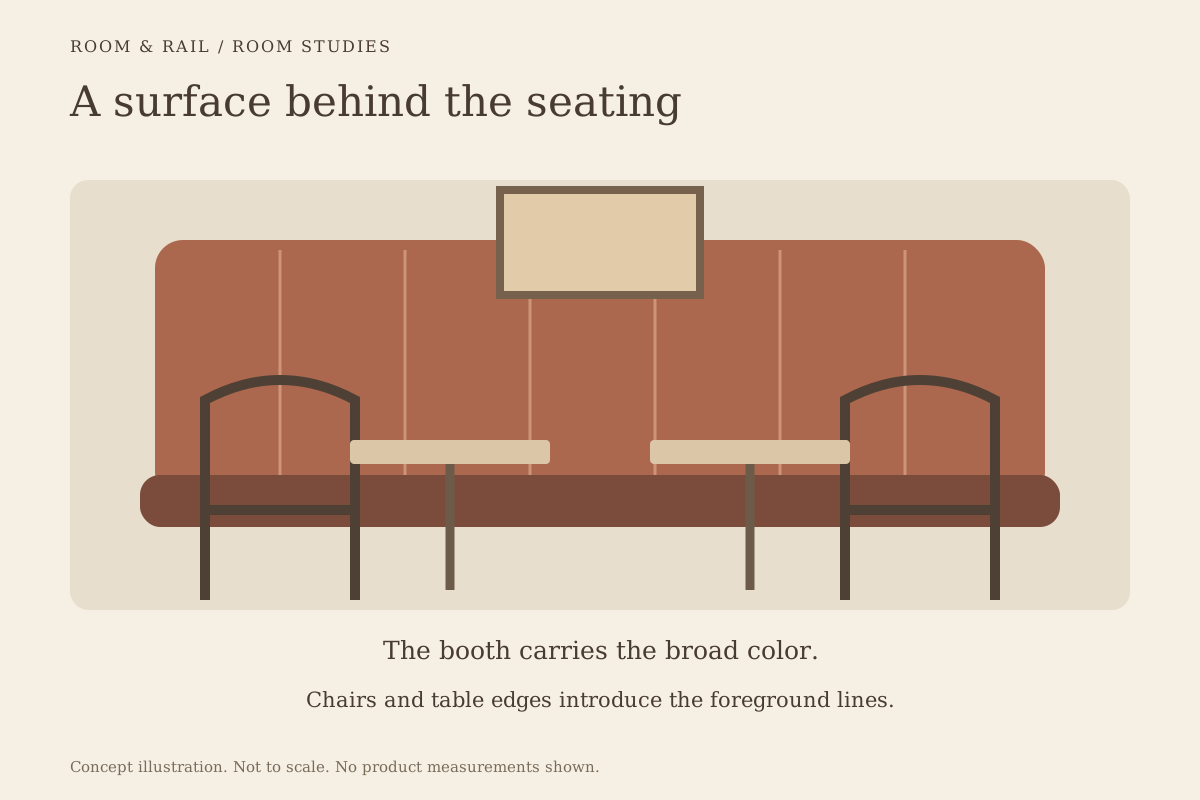
You can make the difference deliberate. A seat color may relate to new chairs while the existing backs remain the room's broad surface. Alternatively, a defined zone may be recovered together so that the change reads as a planned composition.
The finish-sample guide and booth-back study help evaluate those choices. Avoid selecting from a small swatch without considering the table edge, flooring, and adjacent booth sections.
Account for the time and space occupied by the work
Repair may require removal, workshop time, or on-site access. Replacement may require delivery, placement, and removal of the old furniture. Either path can affect which dining positions are available while the work takes place.
Plan the sequence around complete usable settings, not isolated furniture parts. A booth without its table or with an unfinished neighboring section may not provide the service capacity implied by the remaining seat count.
If the restaurant remains open, define the work area and the furniture that stays in use with the project team. Protect the approved materials and retain the information needed for future repairs, including the exact replacement reference and the components addressed.
Retain what still serves the room well
Repair makes sense when it preserves useful construction, fit, and design while resolving a clearly identified problem. Replacement makes sense when the retained assembly cannot meet the current brief or the required work no longer offers a persuasive result. Neither choice should depend on the visible cover alone.
Put the final material and component decisions on the finish board with the affected room group. A well-defined intervention can refresh the room while leaving a clear account of what changed, what was retained, and how the finished booth relates to the rest of the furniture.